If you’ve recently brought home a betta fish, one of the first questions you’ll probably ask is: how often should you feed betta fish? It sounds like a simple question, but feeding is one of the most misunderstood aspects of betta fish care.
Many new owners assume that more food means a healthier fish. Unfortunately, that’s not always true. In fact, overfeeding betta fish is one of the leading causes of digestive issues, poor water quality, and unnecessary health problems.
I’ve kept bettas for years, and I’ve learned that finding the right balance is the key to maintaining a healthy, active, and colorful fish. In this complete guide, you’ll learn the ideal betta fish feeding schedule, how much food to offer, the best food for betta fish, and how to recognize signs of both overfeeding and underfeeding.
Content
How Often Should You Feed Betta Fish?
The short answer is that adult betta fish should generally be fed once or twice a day in small portions.
A healthy feeding routine includes giving only as much food as your betta can consume within one to two minutes. This helps prevent waste buildup and supports proper digestion.
For most owners, the best feeding schedule for betta fish looks like this:
| Betta Age | Feeding Frequency |
| Fry (Baby Bettas) | 3–5 times daily |
| Juvenile Bettas | 2–3 times daily |
| Adult Bettas | 1–2 times daily |
| Senior Bettas | 1–2 small meals daily |
If you’re wondering should betta fish be fed every day, the answer is yes. However, many experienced aquarists also recommend a fasting day once a week to help support digestive health.
Understanding a Natural Betta Fish Diet
To understand feeding frequency, it helps to know what bettas eat in the wild.
Betta fish are carnivorous predators that naturally consume:
- Small insects
- Mosquito larvae
- Tiny crustaceans
- Zooplankton
Because of this, a proper betta fish diet should be rich in protein. Feeding low-quality foods filled with unnecessary fillers may leave your fish undernourished even if it appears full.
A healthy betta fish diet focuses on quality rather than quantity.
How Much to Feed Betta Fish
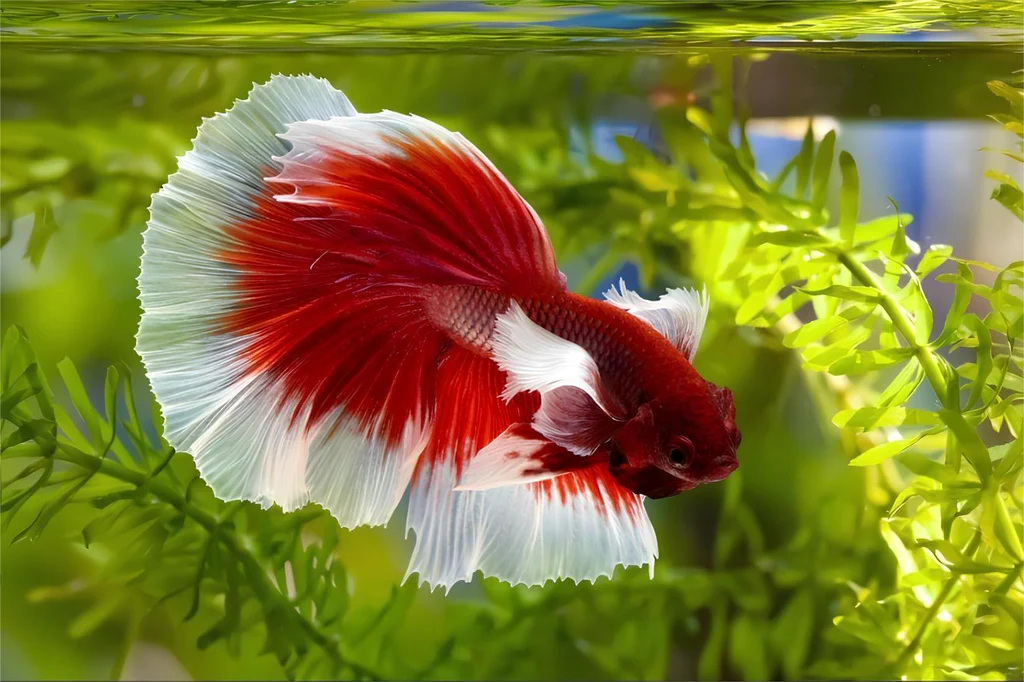
One of the biggest mistakes beginners make is not knowing how much to feed betta fish.
A betta’s stomach is surprisingly small—roughly the size of its eye. While this comparison isn’t perfect, it helps illustrate why portion control matters.
For most adult bettas:
- 2–4 quality pellets per feeding
- Twice daily if feeding smaller portions
- Adjust based on size and activity level
Many owners ask, how many pellets should a betta fish eat each day?
Generally, 4–8 pellets divided into two meals works well for healthy adults. However, pellet sizes vary between brands, so always check feeding recommendations.
Pay attention to your fish’s body condition. A healthy betta should appear streamlined, not bloated.
Best Food for Betta Fish
Choosing the best food for betta fish can make a noticeable difference in their health, energy, and coloration.
High-Quality Betta Pellets
Premium betta pellets are designed to provide balanced betta fish nutrition and are usually the easiest feeding option.
Look for foods with:
- Whole fish meal
- Shrimp meal
- Insect protein
- Minimal fillers
Frozen Foods
Occasional frozen treats can add variety to your betta’s diet.
Popular options include:
- Bloodworms
- Brine shrimp
- Daphnia
These foods mimic what bettas would naturally eat in the wild.
Live Foods
Live foods can stimulate natural hunting behavior and provide enrichment.
Examples include:
- Mosquito larvae
- Blackworms
- Brine shrimp
However, always source live foods from reputable suppliers to avoid introducing parasites.
Can You Feed Betta Fish Once a Day?
A common question among busy pet owners is: can you feed betta fish once a day?
Yes, many healthy adult bettas can thrive on a single daily feeding if the meal is appropriately portioned and nutritionally balanced.
However, splitting food into two smaller meals often provides better digestion and more stable energy levels throughout the day.
If your schedule only allows one feeding session, consistency is more important than perfection.
Feeding Schedule for Different Life Stages
Not all bettas have identical nutritional needs.
Baby Bettas
If you’re raising fry, you may wonder how often should you feed betta fish each day during its early development.
Baby bettas grow rapidly and require frequent feedings.
Recommended foods include:
- Infusoria
- Baby brine shrimp
- Microworms
Feed small portions 3–5 times daily.
Juvenile Bettas
Juveniles need plenty of protein to support growth and muscle development.
Two to three feedings per day are typically sufficient.
Adult Bettas
Adult bettas generally thrive on one or two daily meals with occasional fasting days.
Senior Bettas
Older bettas may become less active and require smaller portions to prevent digestive issues.
What Happens If You Overfeed a Betta Fish?
Many owners worry about underfeeding, but what happens if you overfeed a betta fish is often a bigger concern.
Excess food can lead to:
- Constipation
- Bloating
- Swim bladder problems
- Obesity
- Poor water quality
Uneaten food decomposes quickly, releasing harmful compounds that stress fish and contribute to disease.
This is why proper portion control is a critical part of successful betta fish care.
Signs of Overfeeding in Betta Fish
Learning the signs of overfeeding in betta fish can help you correct problems before they become serious.
Watch for:
- Swollen abdomen
- Lethargy
- Difficulty swimming
- Uneaten food in the tank
- Reduced activity levels
- Cloudy water
If you notice these symptoms, reduce feeding amounts and consider a fasting day.
Signs Your Betta Fish May Be Hungry
While overfeeding is common, underfeeding can also create issues.
Signs of hunger may include:
- Increased activity near feeding times
- Searching behavior around the tank
- Weight loss
- Reduced body mass
The goal is to maintain a healthy balance where your fish remains active, colorful, and alert.
Real-Life Case Study: How a Feeding Adjustment Improved a Betta’s Health
A fellow aquarium hobbyist named Sarah adopted a male betta named Blue. Like many new owners, she believed frequent feeding would keep him healthy.
She fed Blue six to eight pellets three times a day.
Within a few weeks, Blue developed a noticeably bloated stomach and became less active. Water quality also declined because uneaten food accumulated at the bottom of the tank.
After consulting experienced aquarists, Sarah switched to a more appropriate betta fish feeding schedule of two small meals daily and added a weekly fasting day.
Within a month:
- The bloating disappeared.
- Water quality improved.
- Blue became more active.
- His colors appeared brighter.
This simple adjustment demonstrated how proper feeding habits can significantly improve a betta’s overall health.
Additional Feeding Tips for Healthy Bettas
To help your betta thrive, keep these practical tips in mind:
Feed at Consistent Times
Fish adapt well to routines and quickly learn feeding schedules.
Remove Uneaten Food
Always remove leftover food after a few minutes.
Monitor Body Condition
Observe your betta weekly for changes in weight and appearance.
Rotate Food Sources
Variety can improve nutrition and prevent boredom.
Maintain Water Quality
Even the best diet won’t compensate for poor tank conditions.
How Long Can a Betta Fish Go Without Food?
Many owners ask, how long can a betta fish go without food if they travel.
Healthy adult bettas can often survive for up to one to two weeks without food. However, this should only occur in emergency situations.
For vacations longer than a few days, arrange for a trusted caretaker or use carefully portioned feeding methods.
While understanding how often should you feed betta fish? is essential, it’s only one aspect of proper fish care. Many beginners also ask, how to Care of a Fish.The answer includes maintaining excellent water quality, offering a nutritious diet, keeping the aquarium clean, and regularly observing your fish for any signs of illness or stress. Combining these practices with a consistent feeding routine creates the ideal environment for a healthy betta.
Final Thoughts
So, how often should you feed betta fish? For most adult bettas, feeding once or twice daily with high-quality food is the ideal approach.
A balanced betta fish diet, proper portion sizes, and attention to your fish’s behavior will go a long way toward ensuring long-term health. Remember that feeding isn’t just about filling your fish’s stomach—it’s about supporting proper betta fish nutrition, maintaining water quality, and helping your pet live a long, active life.
By following a sensible betta fish feeding schedule, choosing the best food for betta fish, and recognizing the early warning signs of feeding problems, you’ll be well on your way to becoming a confident and successful betta owner.
FAQs About How Often Should You Feed a Betta Fish?
Is it better to feed betta fish in the morning or evening?
Bettas do well with consistent feeding times, whether in the morning, evening, or both.
Can betta fish eat tropical fish flakes?
Yes, but high-protein betta-specific foods are usually a better nutritional choice.
Do betta fish need variety in their diet?
Yes, rotating pellets, frozen foods, and occasional live foods supports balanced nutrition.
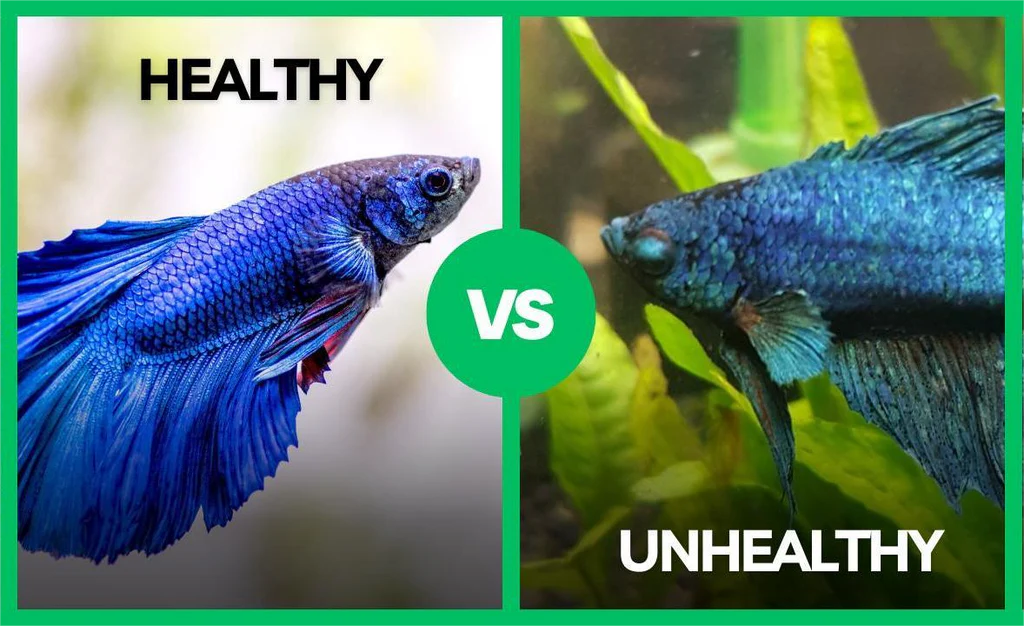
How can I tell if my betta fish is healthy?
A healthy betta is active, alert, brightly colored, and has a good appetite.
Does water temperature affect betta fish feeding?
Yes, bettas tend to eat more consistently when kept in their recommended temperature range.

Join Felipe Clark on a heartwarming journey through the world of pet adoption. He’s a true advocate for shelter animals, sharing stories that tug at the heartstrings and inspire adoption.