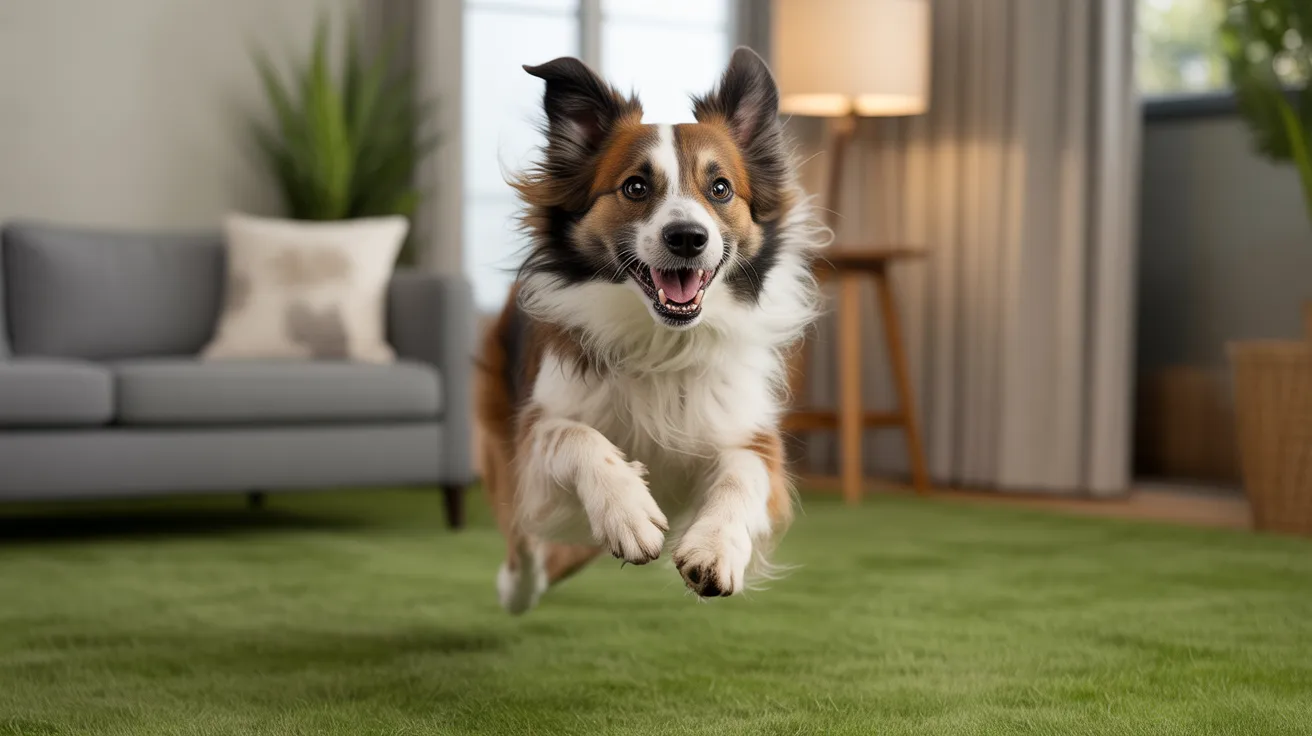
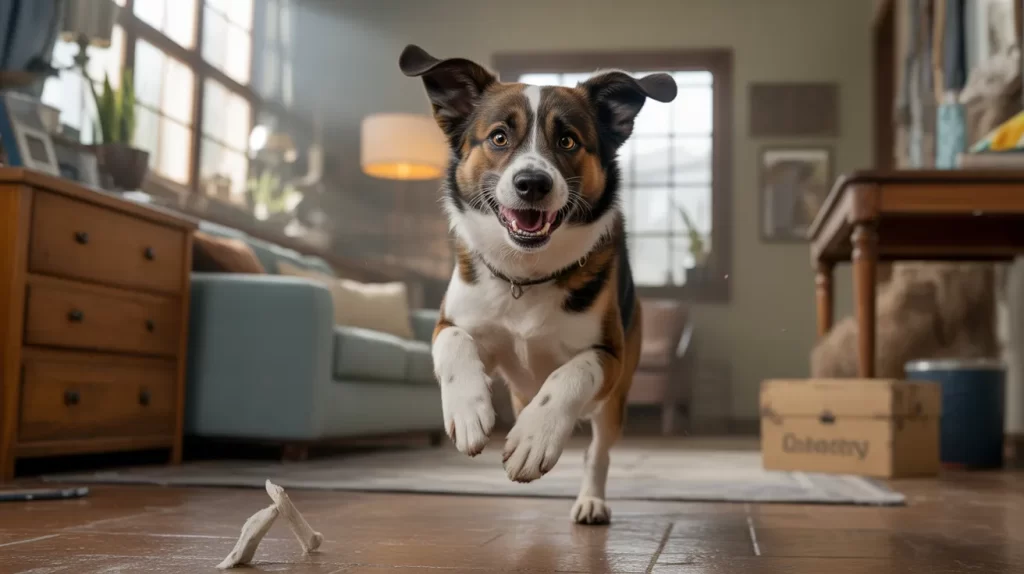
If you’ve ever seen your dog suddenly sprint across the living room, tail wagging, hair flying, and paws pounding the floor like a tiny whirlwind, you’ve witnessed the infamous zoomies. Officially known as Frenetic Random Activity Periods (FRAPs), zoomies are bursts of energy that leave dog owners both amused and a little concerned.
But why do dogs get the zoomies? And more importantly, how can you understand and manage them safely? Let’s dive in.
Content
What Are Dog Zoomies?
Dog zoomies meaning is simple: it’s when your furry friend experiences sudden, uncontrollable bursts of energy. Puppies, especially, are notorious for these energetic sprints, often running in circles, darting from room to room, or chasing imaginary foes.
Zoomies are completely normal, harmless, and actually a good sign that your dog is happy and healthy. Think of them as a natural release of pent-up energy—like when humans get the urge to dance around after a long day.
Real-life example: My golden retriever, Daisy, loves her post-bath zoomies. Every Saturday, after her bath, she’ll sprint through the backyard, shaking off water and joyfully spinning in circles. Watching her reminds me that zoomies are her way of celebrating life.
Common Causes of Zoomies in Dogs
Understanding what causes zoomies can help you anticipate them and provide a safe outlet for your dog’s energy. Here are the most common reasons:
1. Puppy Zoomies vs Adult Dog Zoomies
Puppy zoomies explanation: Puppies, in particular, have abundant energy that they can’t always control. Zoomies are their way of expelling this excitement, especially after naps, meals, or playtime.
Adult dogs experience zoomies too, though less frequently. Adult zoomies often occur after walks, play sessions, or when a dog is relieved from boredom.
2. Energy Release and Excitement
Dogs store energy in the same way humans do—if they haven’t exercised enough or have been cooped up, the energy needs to go somewhere. Zoomies often occur after bath time, grooming sessions, or even after you return home from work.
For example, a neighbor’s beagle, Max, goes wild whenever he sees his owner with a leash. Those few minutes of anticipation trigger an energetic outburst that looks chaotic but is perfectly normal.
3. Emotional Expression
Sometimes, zoomies are more than just physical energy—they can indicate excitement, happiness, or relief. A dog meeting a new puppy, exploring a park, or getting playtime after a long rest may experience a joyful frenzy.
Are Zoomies Dangerous?
Most of the time, zoomies are harmless. However, they can lead to accidents if your dog is running indoors on slippery floors or knocking over furniture. Dogs with long nails or those unfamiliar with space might accidentally hurt themselves.
Safety tips:
Clear the area of sharp objects.
Use rugs or non-slip mats on slick floors.
Supervise outdoor zoomies in a secure, fenced area.
For some dog owners, zoomies indoors can feel chaotic. Luckily, there are ways to manage them safely.
1. Exercise and Mental Stimulation
Providing structured exercise helps reduce the frequency of intense zoomies. Long walks, fetch sessions, or swimming can burn excess energy. Also, mental stimulation like puzzle toys or training exercises provides a safe outlet for your dog’s excitement.
2. Safe Indoor Space
If zoomies happen indoors, ensure your dog has a safe area to sprint, like a hallway or living room cleared of obstacles. Avoid chasing your dog, which can unintentionally encourage more frenzied running.
3. Treats and Rewards
Using treats for reinforcement can help direct your dog’s energy positively. When your dog slows down or responds to a calm command after zoomies, reward them. Over time, they’ll learn to release energy safely.
How to stop dogs from getting zoomies indoors: combine exercise, toys, and controlled rewards to manage their bursts without stress.
Real-Life Case Study: Luna’s Zoomies Transformation
Luna, a 2-year-old border collie, used to experience multiple zoomies indoors every day, often knocking over furniture and sometimes hurting herself on slippery tiles. Her owner, Sarah, decided to implement a structured approach:
Morning Walks – Luna received a 30-minute walk to release early-day energy.
Designated Zoomies Zone – A safe carpeted hallway was set up for Luna’s high-speed runs.
Within two weeks, Luna’s indoor zoomies decreased dramatically. She still enjoyed her bursts of energy but did so safely and in a controlled space. This case highlights that zoomies can be managed effectively without suppressing a dog’s natural instincts.
Tips for Managing Dog Zoomies Safely
Here are some actionable tips for pet owners:
Supervised Play: Always monitor indoor zoomies to prevent accidents.
Outdoor Release: Encourage zoomies in a secure yard or dog park.
Regular Exercise: Burn energy consistently to reduce excessive bursts.
Interactive Toys: Puzzle toys keep your dog mentally engaged.
Scheduled Calm Time: Teach commands like “settle” to help your dog learn self-control.
Tips for managing dog zoomies safely include knowing your dog’s triggers and providing safe outlets.
Conclusion: Why Do Dogs Get The Zoomies
So, why do dogs get the zoomies? They’re a natural, healthy way for dogs—puppies and adults alike—to release pent-up energy and express joy. While zoomies may seem chaotic, understanding the causes, providing exercise, mental stimulation, and a safe environment ensures your furry friend can enjoy these bursts safely.
Remember, a dog experiencing zoomies is a happy dog. By managing the energy safely, you can laugh along with your pup, enjoy their playful antics, and strengthen the bond you share.
Learn more about top breeds and their traits in our guide to the Best Hunting Dogs.
FAQs
Do zoomies mean dogs are happy?
Yes! Zoomies often show excitement and joy. Dogs release energy, and seeing them sprint around usually means they’re happy and healthy.
What triggers zoomies in dogs?
Zoomies can be triggered by play, meals, baths, or pent-up energy. Puppies and adults alike may get random bursts of excitement.
Should you stop a dog from doing zoomies?
No—let them enjoy it safely. Only intervene if your dog is at risk of injury indoors or near dangerous objects.
Do zoomies tire a dog out?
Absolutely. Zoomies help dogs burn excess energy, release stress, and often result in a calm, relaxed pup afterward.
Join Felipe Clark on a heartwarming journey through the world of pet adoption. He’s a true advocate for shelter animals, sharing stories that tug at the heartstrings and inspire adoption.
Pet owners often come across unusual discharges in their dogs, especially in the genital area, which can raise concerns about their dog’s health. One such…
Finding the perfect pet accessory store that combines style, comfort, and quality can be a challenge for devoted pet parents. That’s where pup and purrs,…