
Have you ever been awakened by birds chirping in the middle of the night and wondered what was going on? Most people associate bird songs with sunrise, so hearing birds singing after dark can seem strange or even mysterious. If you’ve ever asked yourself, “why do birds chirp at night?”, you’re certainly not alone.
As someone who has spent years observing pet birds and wild bird behavior, I’ve noticed that nighttime bird sounds often spark curiosity among homeowners, bird lovers, and even pet owners. The truth is that there are several fascinating reasons behind this behavior, ranging from communication and mating to environmental influences.
In this guide, we’ll explore the science behind birds chirping at night, discuss common species responsible for these sounds, and uncover the surprising factors that trigger bird calls at night.
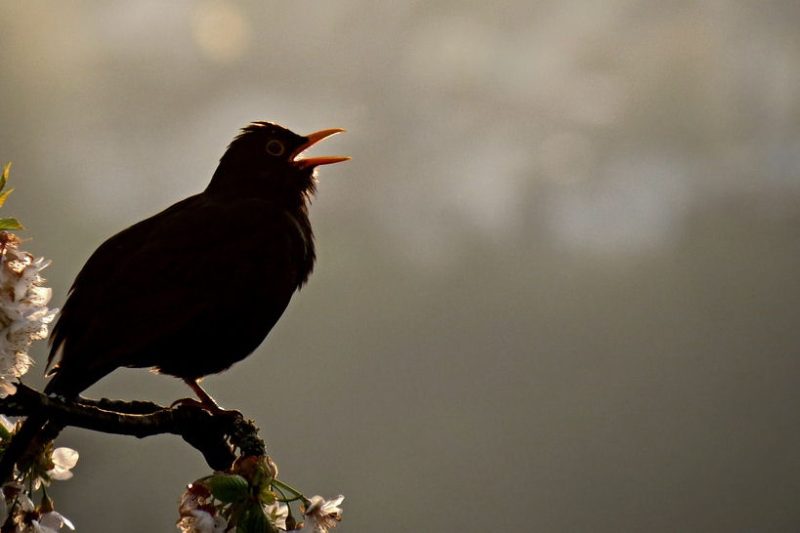
Content
Quick Answer: Why Do Birds Chirp at Night?
Birds chirp at night for various reasons, including attracting mates, defending territory, responding to artificial light, communicating with other birds, avoiding predators, and navigating during migration. Certain species are naturally more active after dark, while others may be influenced by environmental conditions.
Understanding Nocturnal Bird Behaviour
Before diving into the reasons birds sing at night, it’s helpful to understand how birds are categorized based on their activity patterns. While this article mainly focuses on wild birds, many pet bird species follow similar natural sleep and activity cycles. Popular pet birds such as budgies, cockatiels, canaries, and parrots are generally active during the day and sleep at night unless they are disturbed by bright lights, loud sounds, or changes in their environment.
Diurnal Birds
Most birds are diurnal, meaning they are active during the day and rest at night. Sparrows, robins, finches, and cardinals generally follow this schedule.
Nocturnal Birds
Nocturnal birds are naturally active after sunset. Species like owls and nightjars hunt, communicate, and move around during nighttime hours.
Crepuscular Birds
Some birds are most active during dawn and dusk. These periods offer lower predator activity and favorable feeding conditions.
Understanding these patterns helps explain why certain nighttime bird sounds are completely normal.
1. Birds Are Looking for a Mate
One of the most common reasons birds sing at night is courtship.
During breeding season, male birds increase their vocal activity to attract females. Nighttime often provides a quieter environment with less competition from daytime noises.
Species such as the nightingale and Northern Mockingbird are particularly known for their nighttime songs during mating season.
This is one of the biggest reasons birds sing at night, especially during spring and early summer.
2. They Are Defending Their Territory
Bird songs aren’t always romantic.
Birds also use vocalizations to establish and defend territory. Singing sends a clear message to competitors that a specific area is already occupied.
This form of bird communication helps reduce physical conflicts between birds. Instead of fighting, many species rely on territorial bird songs to maintain boundaries.
When bird populations become dense, nighttime singing may increase as birds reinforce their claims.
3. Artificial Lights Can Confuse Birds
Modern cities have dramatically changed bird behavior.
Streetlights, billboards, porch lights, and urban illumination can interfere with birds’ natural biological clocks. This phenomenon is closely linked to light pollution.
Many people ask, “why do birds sing under street lights?”
Artificial lighting can trick birds into believing dawn has arrived, causing them to begin singing hours earlier than normal. As a result, you may hear birds chirping at night outside your window, especially if you live in a city or suburban neighborhood.
Research has shown that urban bird populations often alter their singing schedules due to constant nighttime lighting.
4. Birds Are Communicating With Their Flock
Communication doesn’t stop when the sun goes down.
Birds use a variety of bird vocalizations to stay connected with nearby flock members. These sounds help maintain group cohesion and alert others about environmental changes.
Some birds may call to:
- Maintain contact with their flock
- Signal a change in location
- Alert others to food sources
- Coordinate movement during migration
This type of bird activity at night is especially common among migratory species.
5. Migration Can Trigger Nighttime Singing
Many bird species migrate during nighttime hours.
Flying at night helps birds avoid daytime predators and cooler temperatures reduce energy expenditure.
While migrating, birds often communicate through brief calls to maintain contact with fellow travelers.
If you’ve ever wondered why do birds suddenly start chirping at night, seasonal migration could be the answer.
During peak migration periods, nighttime bird activity often increases significantly.
6. Predators May Cause Alarm Calls
Birds constantly monitor their surroundings for threats.
When they detect predators such as cats, snakes, owls, or raccoons, they may produce warning calls to alert nearby birds.
These alarm signals differ from regular songs and are often sharper and more repetitive.
Some homeowners who hear intense bird calls at night may actually be witnessing birds responding to a nearby predator.
Real-Life Example
A bird enthusiast from a suburban neighborhood shared an interesting observation. Around 2:30 a.m., several robins began making loud calls outside his home. After checking security footage the next morning, he discovered a stray cat had been roaming near a nesting area.
The birds weren’t singing—they were warning each other about danger.
This highlights how important communication is for bird survival.
7. Weather and Environmental Changes Affect Birds
Environmental factors can influence bird behavior more than many people realize.
Changes in temperature, atmospheric pressure, moonlight, and storms may increase bird vocal activity.
Some species become more vocal during:
- Full moon nights
- Sudden weather shifts
- Warm spring evenings
- Seasonal transitions
These environmental triggers contribute to unusual nighttime bird sounds that many people notice throughout the year.
Common Birds That Chirp at Night
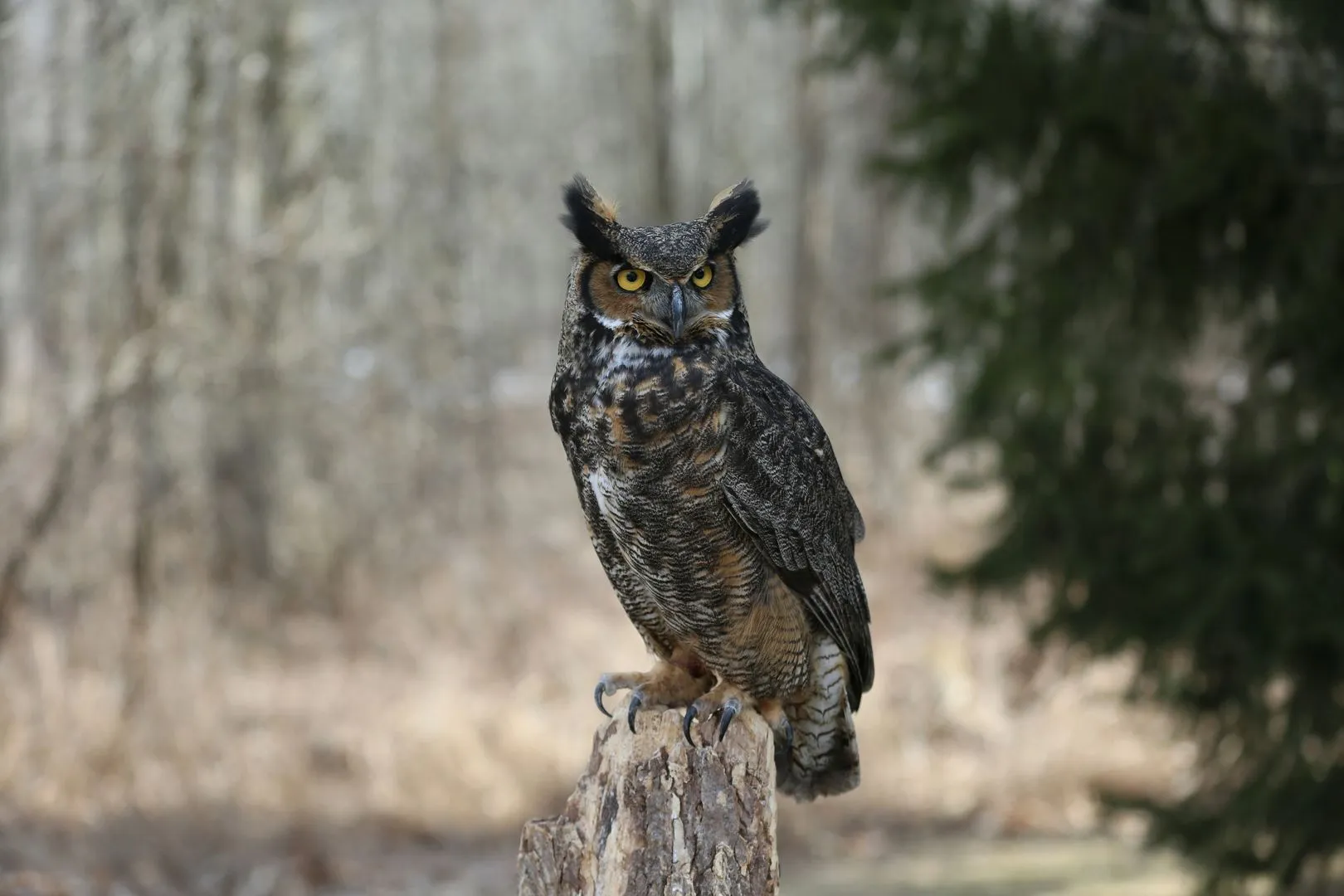
Northern Mockingbird
The Northern Mockingbird is perhaps the most famous nighttime singer. Males often sing throughout the night when seeking mates.
American Robin
Robins sometimes begin singing before sunrise, especially in brightly lit urban areas.
Nightingale
Known for its beautiful songs, the nightingale frequently performs after dark during breeding season.
Eastern Whip-poor-will
This nocturnal species is famous for its repetitive nighttime calls.
Owls
While not technically chirping, owls communicate extensively through hoots and calls at night.
If you’ve wondered which birds chirp at night, these species are among the most likely culprits.
Why Do Birds Chirp at 3 AM?
A surprisingly common question is: Why do birds chirp at 3 am?
Several factors can contribute:
- Artificial lighting
- Early territorial behavior
- Breeding season activity
- Migration
- Environmental disturbances
In urban environments, birds may begin their morning chorus much earlier than birds living in natural habitats.
Case Study: Urban Light Pollution and Night Singing
A community bird-monitoring project conducted in a residential area found that birds living near brightly illuminated streets started singing significantly earlier than birds in darker neighborhoods.
Observers noticed robins and mockingbirds producing songs between midnight and 4 a.m. on a regular basis.
After local authorities reduced unnecessary lighting in certain areas, researchers observed a measurable decrease in nighttime singing activity.
This real-world example demonstrates how human-made environments can influence nocturnal bird behavior.
Myth vs. Fact
Myth: Birds chirping at night means bad luck.
Fact: Nighttime chirping is usually linked to natural behaviors such as mating, communication, or environmental influences.
Myth: Birds never sleep if they sing at night.
Fact: Most birds still rest and sleep. Brief nighttime vocalizations don’t mean they remain awake all night.
Myth: Only nocturnal birds sing after dark.
Fact: Many normally daytime birds can become active at night under certain conditions.
What Does It Mean When Birds Chirp at Night?
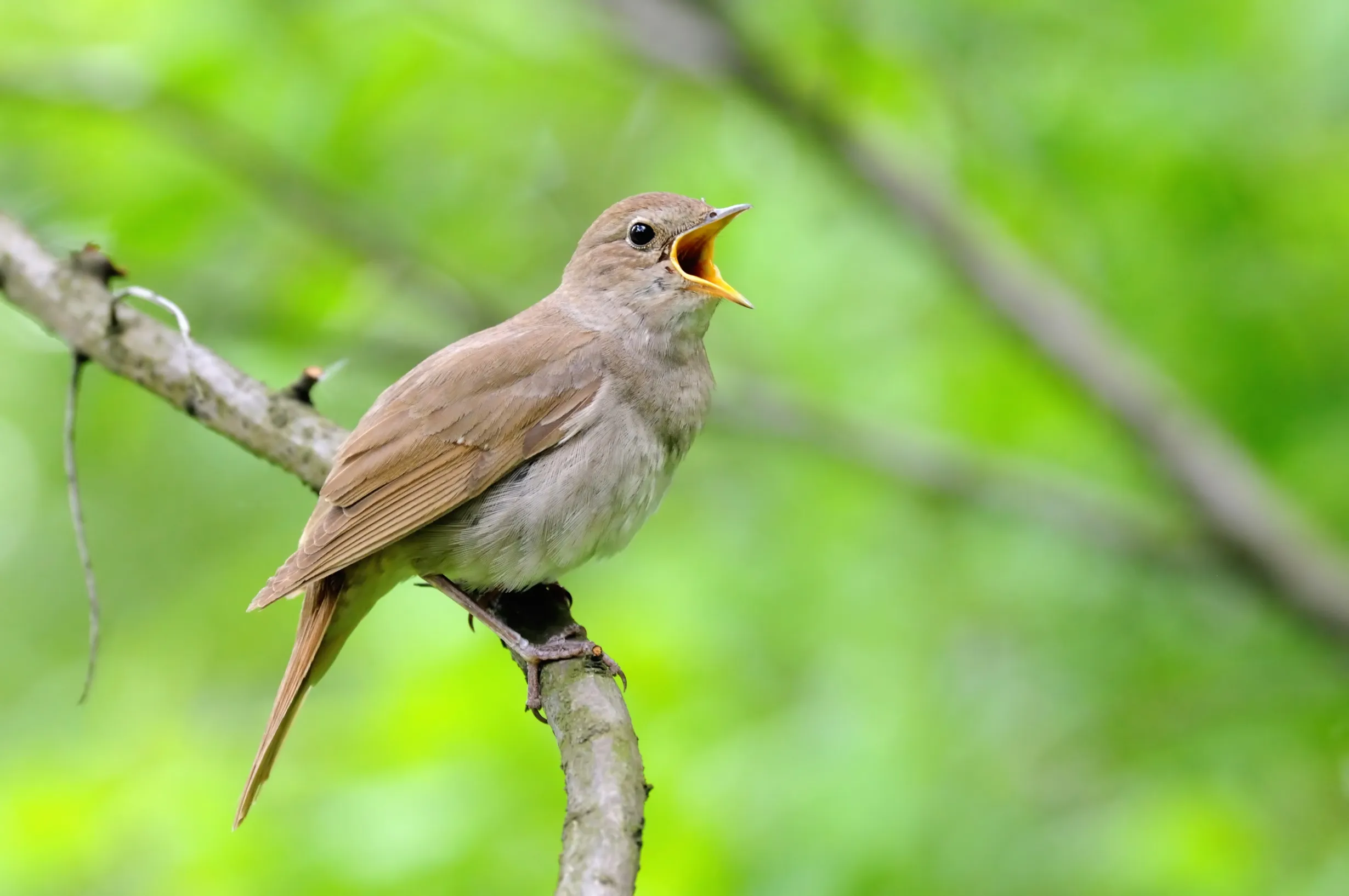
Many people ask, “what does it mean when birds chirp at night?”
In most cases, it simply means the birds are responding to natural biological needs or environmental conditions. Their singing may indicate courtship, territorial defense, migration, communication, or reactions to artificial light.
Rather than being unusual, nighttime singing is often a fascinating glimpse into bird behavior.
Key Takeaways
- Birds chirp at night for multiple reasons, including mating, communication, migration, and territorial defense.
- Artificial lighting can significantly affect bird sleep patterns and singing schedules.
- Certain species naturally engage in nighttime vocal activity.
- Weather, predators, and seasonal changes can increase bird vocalizations.
- Most nighttime bird songs are completely normal and not a cause for concern.
Conclusion
So, why do birds chirp at night? The answer is more complex and fascinating than many people realize. From attracting mates and defending territories to adapting to artificial light and navigating migration routes, birds have many reasons for making noise after dark.
The next time you hear birds chirping at night outside your window, take a moment to listen. Those sounds may be part of an important conversation happening in the natural world. Understanding these behaviors not only answers a common question but also helps us appreciate the remarkable ways birds adapt to their environment.
FAQs About Birds Chirp At Night
Why do birds chirp at night outside my window?
Birds may be responding to artificial lights, defending territory, attracting mates, or communicating with nearby birds.
Why are birds singing at night in summer?
Breeding season peaks during summer, causing many male birds to increase singing activity.
Are nighttime bird sounds normal?
Yes. Many bird species naturally vocalize at night for communication, mating, or navigation.
Which birds chirp at night most often?
Northern Mockingbirds, robins, nightingales, whip-poor-wills, and some owl species are common nighttime vocalizers.
Is bird chirping at night a spiritual meaning?
Different cultures interpret nighttime bird sounds differently, but scientifically they are usually linked to natural bird behavior.

Join Felipe Clark on a heartwarming journey through the world of pet adoption. He’s a true advocate for shelter animals, sharing stories that tug at the heartstrings and inspire adoption.