The Miniature Schnauzer is one of the most loved small dog breeds in the world, especially among families and apartment owners. Known for its bold personality, expressive eyebrows, and alert nature, this little dog often behaves like a much larger watchdog trapped in a small body.
As a pet content expert, I’ve seen how this breed surprises first-time owners with intelligence, energy, and a strong personality. Many people assume it is just a lap dog, but in reality, it is an active and emotionally aware companion that needs proper structure and care.
Content
What is a Mini Schnauzer? Breed Overview
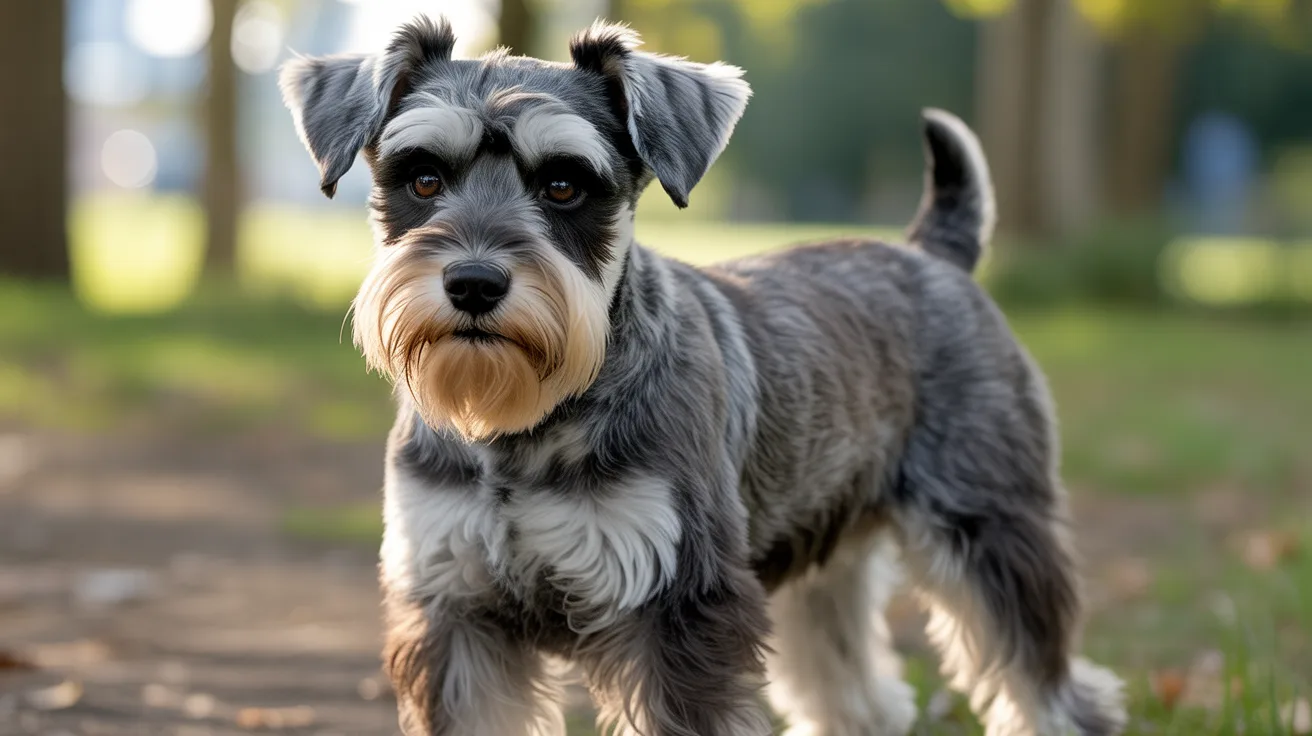
The Mini Schnauzer, also known as the Miniature Schnauzer dog breed, is a small but sturdy dog originally bred in Germany for farm work and rat catching.
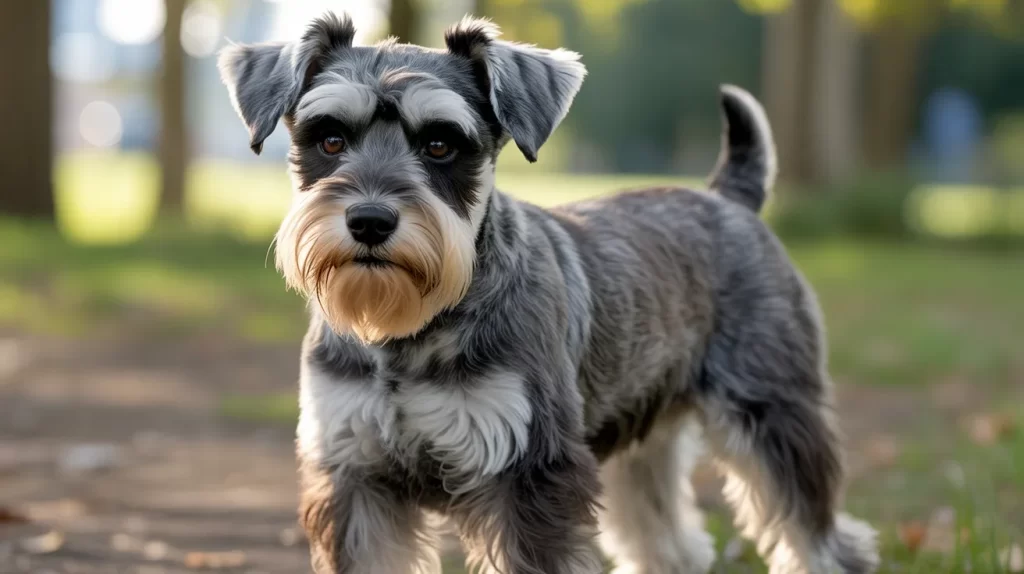
It has a compact and muscular body, a distinctive beard and eyebrows, a wire-haired double coat, and a high level of intelligence and alertness. Despite its small size, this breed carries a confident and sometimes stubborn personality that requires proper training from an early age.
Care Guide: Grooming, Exercise, and Daily Needs
Proper miniature schnauzer care is essential for long-term health and happiness.
Grooming needs include regular brushing several times a week, professional trimming every few weeks, and cleaning the beard after meals. Ear and eye cleaning should also be part of the routine. Without proper grooming, the coat can become tangled and uncomfortable.
This breed has moderate to high energy levels and requires daily walks, interactive play sessions, and mental stimulation activities. Without enough exercise, boredom can lead to unwanted behaviors such as barking or chewing.
Personality and Temperament
The Schnauzer temperament is one of its strongest traits. It is known for being alert, protective, highly intelligent, playful, energetic, and loyal, but sometimes stubborn.
Many owners describe its Mini Schnauzer personality traits as a “big dog attitude in a small body.” It learns quickly but also tends to test boundaries, which is why consistent training is important.
From experience, this breed often behaves like a natural watchdog, quickly reacting to unusual sounds or strangers. Early socialization is important to prevent excessive barking or overprotectiveness.
Training requires patience and consistency because this dog is intelligent but independent.
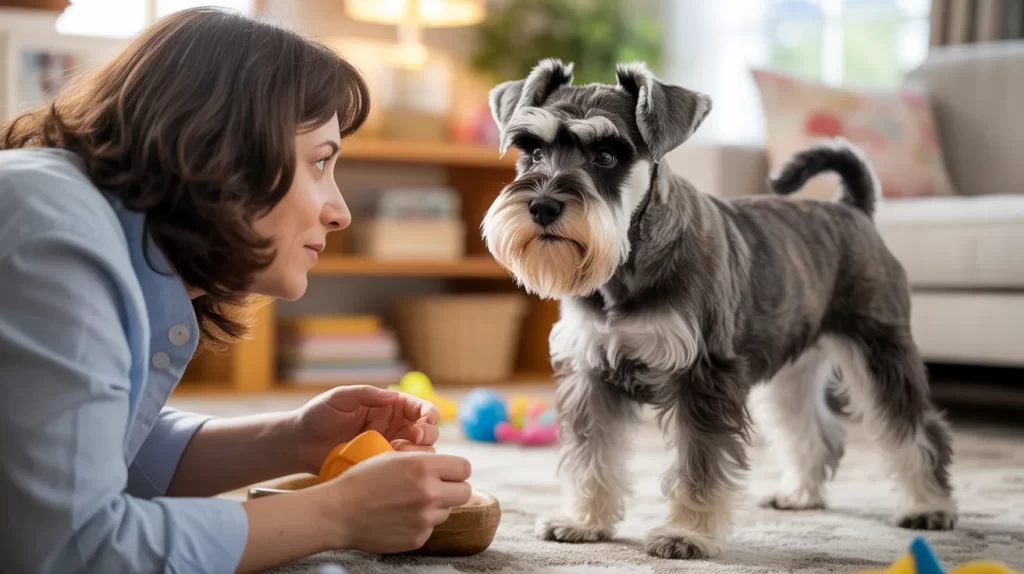
A common question is how to train a Mini Schnauzer puppy at home. The best approach is to start training early, use positive reinforcement, keep sessions short, and avoid harsh punishment. This breed responds best to encouragement rather than strict correction.
A balanced diet rich in protein is important for maintaining energy levels and coat health.
Health and Lifespan
The miniature schnauzer lifespan is typically 12 to 15 years, making it a long-living companion breed.
Common health issues include diabetes, pancreatitis, eye problems, bladder stones, and skin allergies. Understanding Mini Schnauzer lifespan and common health problems helps owners take preventive care seriously and ensure a healthier life for their dog.
Real-Life Case Study: “Max”
Max was a young Schnauzer adopted by a family who initially struggled with his behavior. He showed excessive barking, leash pulling, and separation anxiety.
The solution involved a structured daily exercise routine, positive reinforcement training, gradual socialization, and crate training for anxiety management.
Within eight weeks, Max showed significant improvement. His barking reduced, his walking behavior improved, and his anxiety levels decreased. This case shows that with proper structure, this breed responds very well to training and consistency.
Is This Breed a Good Family Dog?
A common question is is Mini Schnauzer a good family dog.
The answer is yes, but it depends on proper training and commitment.
The breed is loyal, intelligent, protective, and generally good with children when socialized early. It is also suitable for apartment living due to its size.
However, it can bark frequently, requires regular grooming, needs mental stimulation, and may become stubborn without consistent training.
Final Thoughts
The Mini Schnauzer is a highly intelligent and loyal companion. With proper training, grooming, and care, it becomes a loving and well-balanced family pet.
If you are looking for a small dog with a big personality, this breed is an excellent choice for the right owner.
Discover the reasons behind sudden bursts of energy in dogs—read our guide on Why Do Dogs Get The Zoomies to understand this playful behavior and how to manage it.
FAQs
What are the cons of a Mini Schnauzer?
Mini Schnauzers can be stubborn, bark frequently, and require regular grooming and mental stimulation. They are not low-maintenance dogs and need consistent training and daily activity to stay well-behaved.
Do Mini Schnauzers like to cuddle?
Yes, many Mini Schnauzers enjoy cuddling and bonding with their owners, but it depends on personality. They are affectionate dogs, though some may prefer playtime or staying active over long cuddle sessions.
Do all Mini Schnauzers bark a lot?
Not all, but many Mini Schnauzers are naturally vocal due to their watchdog instincts. With proper training and early socialization, excessive barking can be controlled effectively.
Is a Mini Schnauzer a good family dog?
Yes, Mini Schnauzers can be great family dogs when properly trained and socialized. They are loyal, intelligent, and protective, making them good companions for active families.
Join Felipe Clark on a heartwarming journey through the world of pet adoption. He’s a true advocate for shelter animals, sharing stories that tug at the heartstrings and inspire adoption.
White fluffy dogs have an undeniable charm. Their soft, cloud-like coats and affectionate personalities make them some of the most beloved companions around the world.…