If you’ve ever seen a rabbit with a fluffy mane that resembles a tiny lion, chances are you’ve met a Lionhead rabbit bunny. These adorable rabbits have become increasingly popular among pet lovers thanks to their unique appearance, friendly nature, and manageable size.
However, owning a Lionhead rabbit is about much more than admiring its cute looks. Like any pet, these rabbits have specific care requirements that every owner should understand before bringing one home.
As someone who has spent years caring for different rabbit breeds, I can confidently say that Lionheads are among the most rewarding companions you can have. Their playful personalities and affectionate behavior make them wonderful pets, but they also require proper grooming, nutrition, and daily attention.
In this Lionhead rabbit bunny care guide for beginners, you’ll learn everything from feeding and housing to grooming and health care so your furry friend can live a happy and healthy life.
Content
What Is a Lionhead Rabbit Bunny?
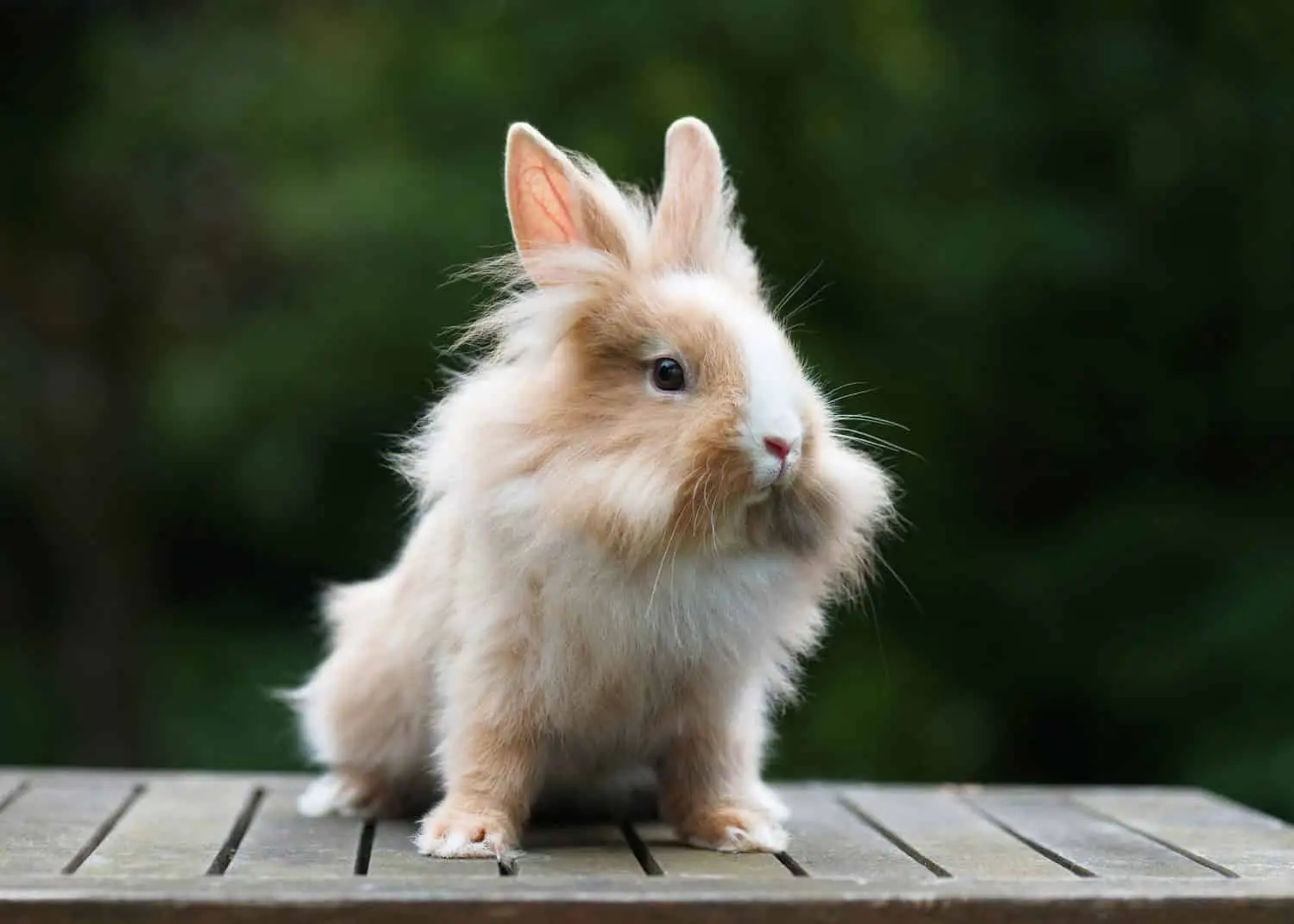
The Lionhead rabbit breed originated from breeding small domestic rabbits with long-haired varieties. The result was a compact rabbit featuring a distinctive woolly mane around its head, giving it a lion-like appearance.
Most Lionhead rabbits weigh between 2.5 and 4 pounds when fully grown, making them a popular choice for people looking for a small indoor pet rabbit.
There are two common mane types:
- Single-maned Lionheads
- Double-maned Lionheads
Double-maned rabbits usually have thicker fur around the head, chest, and hindquarters, requiring more maintenance than single-maned varieties.
Besides their unique appearance, Lionheads are known for being curious, intelligent, and social animals that enjoy interacting with their owners.
Lionhead Rabbit Bunny Appearance and Characteristics
The most recognizable feature of a Lionhead rabbit bunny is its fluffy mane. This soft ring of fur around the head makes the breed stand out from other rabbits.
Common characteristics include:
- Compact body shape
- Upright ears
- Short neck
- Bright, expressive eyes
- Soft wool-like mane
Lionhead rabbits come in a wide range of colors, including:
- White
- Black
- Chocolate
- Blue
- Tortoiseshell
- Orange
- Broken patterns
Because of their small size and attractive appearance, many families choose them as their first pet rabbit.
Lionhead Rabbit Bunny Temperament and Personality
One of the biggest reasons people fall in love with this breed is the Lionhead rabbit bunny temperament and personality.
Most Lionheads are:
- Friendly
- Curious
- Playful
- Intelligent
- Gentle
While every rabbit has its own personality, Lionheads generally enjoy exploring their environment and interacting with people they trust.
When properly socialized from a young age, they often seek attention and may even follow their owners around the house.
That said, rabbits are prey animals by nature. They may become nervous if handled roughly or exposed to loud environments.
Patience and gentle interaction go a long way in building trust.
Housing and Habitat Requirements
Creating a comfortable living space is one of the most important parts of lionhead rabbit care.
Many new owners ask about the best cage setup for a lionhead rabbit bunny. While cages can provide a safe resting area, rabbits need much more space than most people realize.
A suitable setup should include:
- A spacious enclosure
- A hiding area
- A litter box
- Fresh hay access
- Food and water bowls
- Toys for enrichment
Experts generally recommend a living area that allows the rabbit to stand fully upright, stretch out, and hop comfortably.
Since Lionheads are active animals, supervised exercise outside the enclosure is essential every day.
For indoor rabbits, rabbit-proofing your home by covering wires and removing hazardous items is highly recommended.
What Do Lionhead Rabbit Bunnies Eat?
One of the most searched questions online is: what do lionhead rabbit bunnies eat?
A healthy rabbit diet and nutrition plan should consist primarily of high-quality hay.
A balanced diet includes:
Hay (80-90% of the Diet)
Timothy hay is usually the best option for adult rabbits.
Benefits include:
- Supports digestion
- Prevents obesity
- Helps wear down teeth naturally
Fresh Vegetables
Suitable vegetables include:
- Romaine lettuce
- Cilantro
- Parsley
- Bok choy
- Bell peppers
Introduce new foods gradually to avoid digestive upset.
Rabbit Pellets
Pellets should be fed in moderation and selected based on age and nutritional needs.
Fresh Water
Clean water must be available at all times.
Avoid feeding excessive sugary treats, processed foods, or large amounts of fruit.
Lionhead Rabbit Bunny Grooming Tips
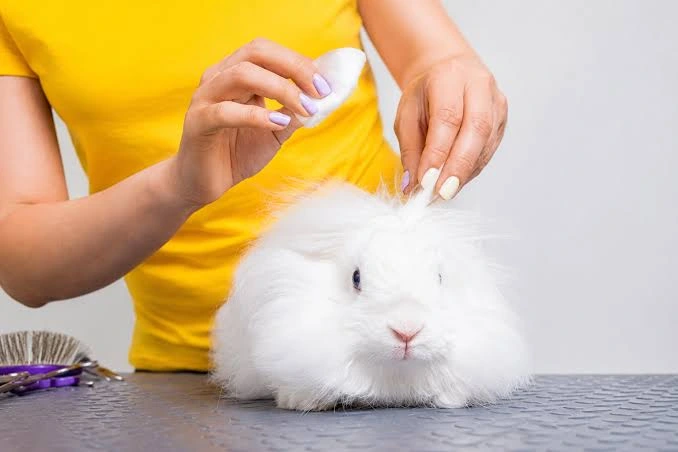
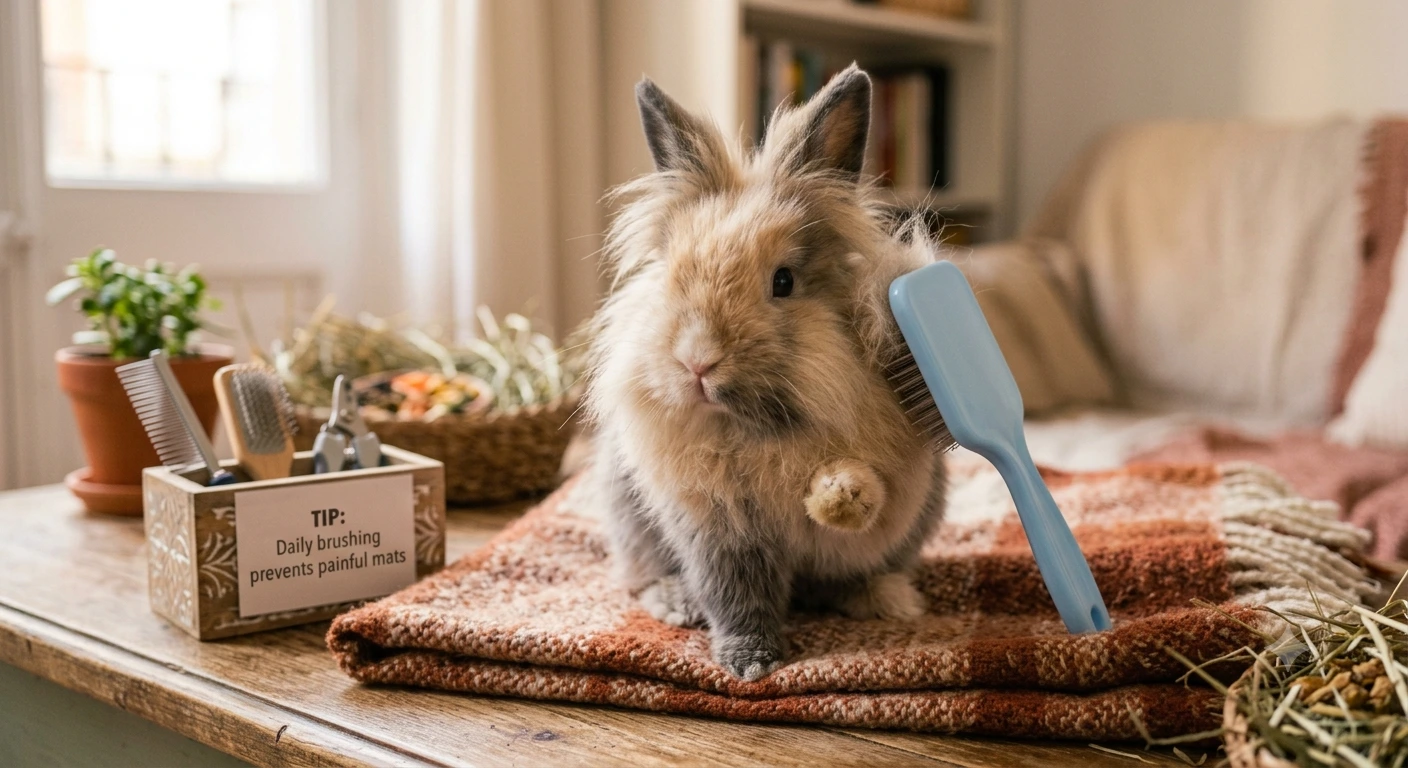
Because of their long fur, Lionhead rabbit bunny grooming tips are especially important for owners.
The thick mane that makes these rabbits adorable can also create problems if neglected.
A proper rabbit grooming routine should include:
Brushing
Brush your rabbit at least:
- 2–3 times per week
- Daily during shedding seasons
Regular brushing prevents:
- Mats
- Tangles
- Fur ingestion
Eye Checks
Long facial fur can irritate the eyes if not monitored.
Hygiene Checks
Inspect the rear area regularly to ensure fur remains clean and dry.
Proper grooming is one of the easiest ways to keep a Lionhead rabbit bunny healthy throughout its life.
Exercise and Enrichment Needs
Lionheads are energetic animals that need daily physical activity.
Without sufficient exercise, rabbits may become:
- Bored
- Overweight
- Destructive
Some enrichment ideas include:
- Tunnels
- Cardboard boxes
- Chew toys
- Digging boxes
- Puzzle feeders
Aim for at least three to four hours of supervised activity each day.
Mental stimulation is just as important as physical exercise.
Lionhead Rabbit Bunny Health Problems to Watch For
Like all rabbit breeds, Lionheads can experience certain health issues.
Some common lionhead rabbit bunny health problems to watch for include:
Dental Disease
Rabbit teeth continuously grow throughout life.
Warning signs:
- Drooling
- Reduced appetite
- Weight loss
Gastrointestinal Stasis
A potentially serious digestive condition.
Symptoms include:
- Lack of appetite
- Reduced droppings
- Lethargy
Fur Matting
Long fur can easily become tangled if grooming is neglected.
Eye Irritation
Facial fur occasionally causes irritation around the eyes.
Routine veterinary care and proper rabbit health care significantly reduce the risk of major health problems.
Real-Life Case Study: How Regular Grooming Transformed Luna’s Health
A rabbit owner I know adopted a double-maned Lionhead named Luna from a local rescue center.
When Luna first arrived, her coat was severely matted around her chest and hindquarters. The owner initially underestimated the grooming needs associated with the Lionhead rabbit breed.
Within a few weeks, Luna became less active and started avoiding interaction.
After consulting a rabbit-savvy veterinarian, the owner implemented a daily grooming schedule and improved her housing environment.
The results were remarkable.
Within two months:
- Her coat became healthy and tangle-free.
- She was more energetic.
- Her appetite improved.
- She became noticeably more social.
This experience highlights how proper lionhead bunny care directly impacts both physical health and behavior.
Lionhead Rabbit Bunny Lifespan and Care Needs
A healthy Lionhead rabbit bunny lifespan and care needs typically range from 7 to 10 years, although some rabbits live even longer with excellent care.
Factors that influence lifespan include:
- Diet quality
- Exercise
- Veterinary care
- Genetics
- Living environment
Owners who provide proper nutrition, grooming, and enrichment often enjoy many wonderful years with their rabbit companion.
Pros and Cons of Owning a Lionhead Rabbit Bunny
Pros
- Adorable lion-like appearance
- Friendly personality
- Small size
- Intelligent and trainable
- Suitable for indoor living
Cons
- Requires regular grooming
- Can be sensitive to stress
- Needs daily exercise
- Veterinary care can be specialized
- Fur maintenance takes commitment
Understanding both sides helps new owners make an informed decision.
Tips for First-Time Owners
If you’re wondering how to care for a lionhead rabbit bunny, start with these simple tips:
- Provide unlimited hay.
- Establish a grooming routine early.
- Schedule regular veterinary checkups.
- Offer plenty of exercise time.
- Rabbit-proof your home.
- Learn rabbit body language.
- Avoid keeping rabbits isolated for long periods.
These steps will make lionhead rabbit bunny care for first-time owners much easier and more enjoyable.
Conclusion
A Lionhead rabbit bunny can be a wonderful companion for owners who understand its unique needs. Their charming appearance, playful behavior, and affectionate personalities make them one of the most beloved rabbit breeds available today.
However, successful ownership goes beyond admiring that fluffy mane. Proper housing, a balanced diet, routine grooming, regular exercise, and preventive health care all play important roles in keeping your rabbit happy.
Whether you’re researching your first rabbit or expanding your furry family, following this guide will help you provide the best possible life for your Lionhead companion. With patience, consistency, and love, your Lionhead rabbit bunny can become a cherished member of your household for many years to come.
Frequently Asked Questions
Are Lionhead rabbit bunnies good pets for beginners?
Yes. Their friendly nature and manageable size make them suitable for beginners willing to learn proper care techniques.
Do Lionhead rabbit bunnies need daily grooming?
Most require brushing several times per week, while double-maned rabbits often benefit from daily grooming.
Can Lionhead rabbits live indoors?
Absolutely. They are excellent indoor pet rabbits when provided with sufficient space and enrichment.
How much exercise does a Lionhead rabbit need?
Most need several hours of supervised exercise daily to remain healthy and mentally stimulated.
How long do Lionhead rabbits live?
With proper care, many Lionhead rabbits live between 7 and 10 years.

Join Felipe Clark on a heartwarming journey through the world of pet adoption. He’s a true advocate for shelter animals, sharing stories that tug at the heartstrings and inspire adoption.