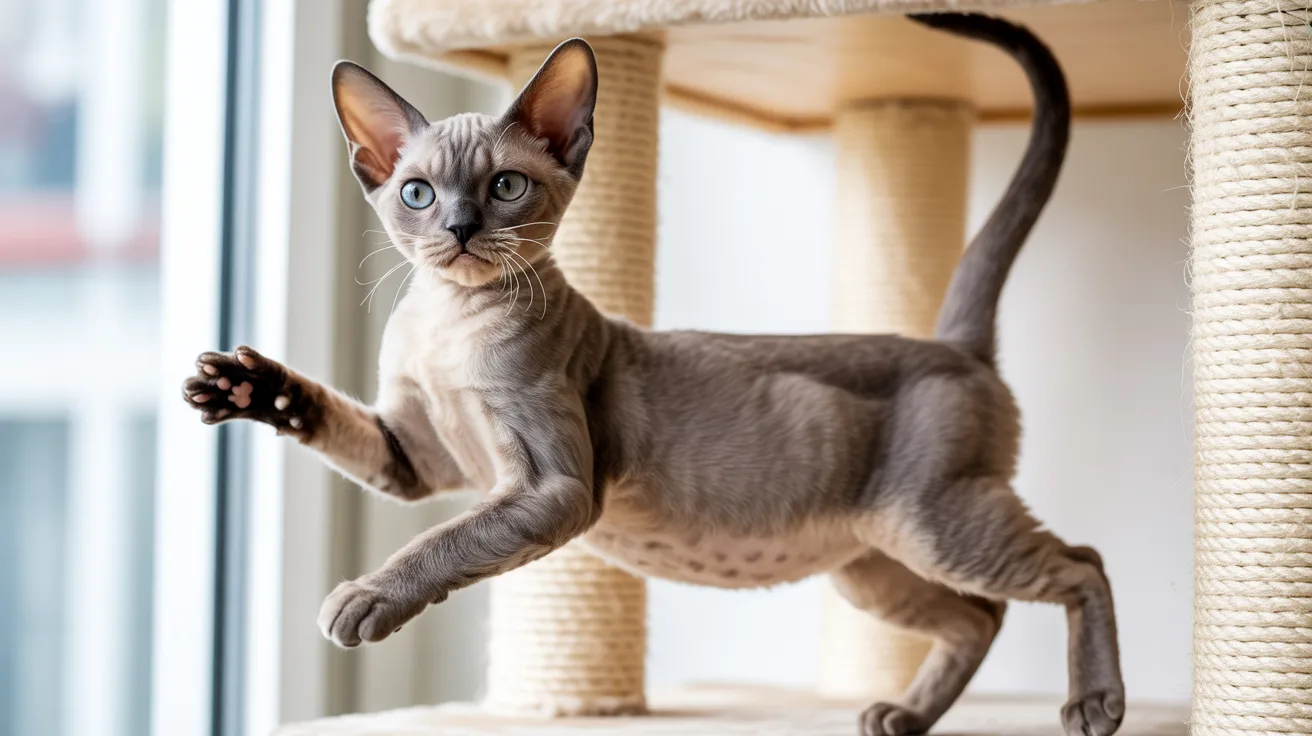
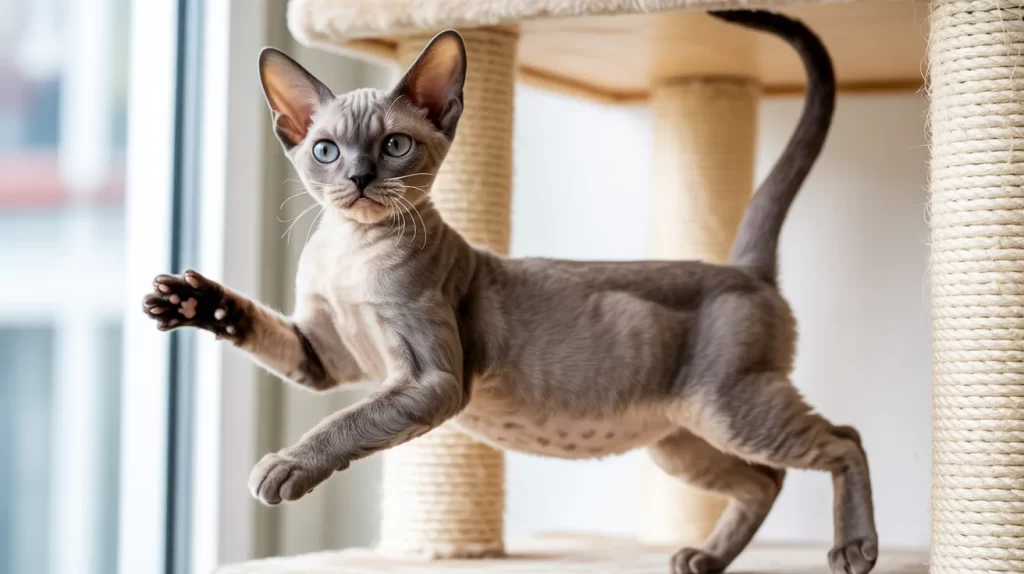
If you’ve ever stumbled upon a Devon Rex cat, you might have been captivated by its large ears, big eyes, and playful energy. Often called the “Pixie Cat,” this breed is unlike any other, blending a whimsical appearance with a lively personality. But beyond their adorable looks, Devon Rex cats are intelligent, affectionate, and sometimes mischievous companions. In this guide, we’ll explore everything you need to know about Devon Rex, from personality traits and care tips to health concerns, adoption advice, and even real-life experiences with this unique breed.
Content
Devon Rex Cat Overview
The Devon Rex Cat originated in England during the late 1950s and quickly became famous for its short, curly coat and delicate features. Unlike most cats, Devon Rex kittens appear almost elfin, with slender bodies, large ears, and expressive eyes. Their coat is soft, wavy, and requires minimal grooming compared to longer-haired breeds.
What makes Devon Rex cats unique is not just their appearance but their combination of intelligence, playfulness, and curiosity. They are often described as “forever kittens” because of their energetic behavior and love for games well into adulthood.
How to Care for a Devon Rex Cat
Understanding how to care for a Devon Rex cat is essential to ensure they thrive in your home. While their grooming needs are minimal due to their short coat, attention to nutrition, play, and health monitoring is critical.
Diet and Nutrition
Devon Rex cats are energetic and need a high-quality diet to maintain their lean muscle mass. Feed them balanced cat food rich in protein, and consult your vet for portion guidance to prevent overfeeding, as they can gain weight quickly if left unsupervised.
Grooming
Even though they have a short coat, Devon Rex grooming involves weekly brushing to remove loose hairs and prevent skin oils from building up. Bathing may occasionally be needed, especially for cats with sensitive skin.
Exercise & Enrichment
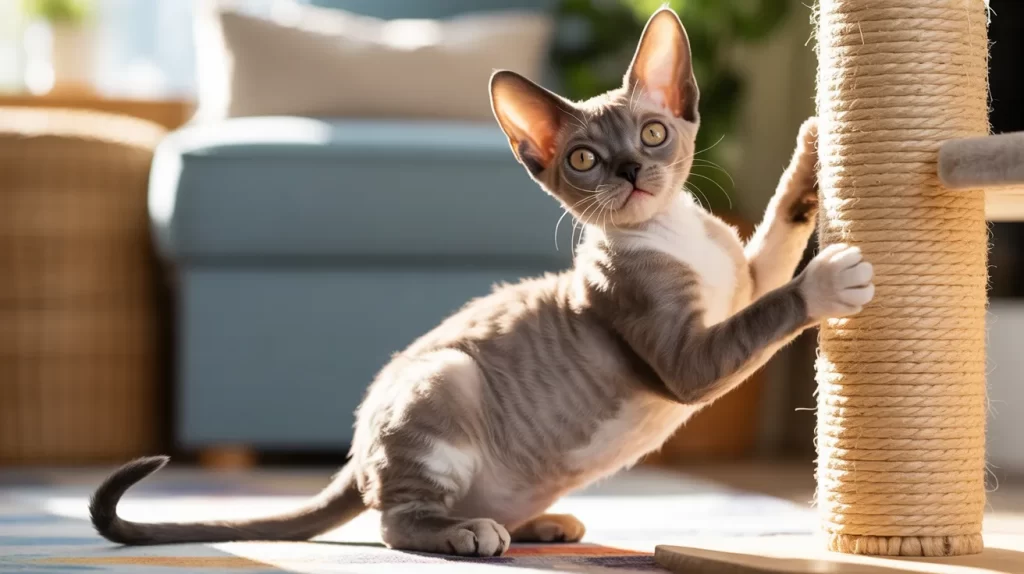
These cats are active and curious, so interactive toys, climbing trees, and puzzle feeders are recommended. Daily playtime helps channel their energy positively and reduces the chance of destructive behavior.
Socialization
Devon Rex temperament makes them excellent companions for families with children or other pets. They rarely show aggression and thrive in multi-pet households if introduced gradually.
Devon Rex Personality & Behavior
One of the most fascinating aspects of the Devon Rex personality is their sociable and affectionate nature. These cats thrive on human companionship and are known to follow their owners around the house, often seeking warmth and attention. If you’ve ever wondered, “Are Devon Rex cats hypoallergenic?”, many people report they are better tolerated by allergy sufferers due to their low-shedding coat, though they are not completely allergen-free.
Key personality traits of Devon Rex cats include:
Playful & Curious: They love interactive toys and puzzle feeders, making them mentally stimulated and less likely to get bored.
Affectionate & Loyal: Devon Rex kittens form strong bonds with their owners and often enjoy curling up on laps or shoulders.
Highly Intelligent: Their problem-solving abilities are impressive—they can open doors, figure out feeding puzzles, and even learn tricks with patience and consistency.
Mischievous: Be ready for some surprises, like finding your socks hidden under furniture or discovering they’ve turned over a plant pot.
Case Study: My neighbor, Sarah, adopted a Devon Rex named Whiskers. Within weeks, Whiskers had learned how to jump onto the kitchen counter to greet her every morning, play fetch, and even sit politely when offered treats. Sarah said, “It’s like having a tiny, furry dog who wants to be part of everything I do.” This illustrates just how interactive and personable Devon Rex cats can be.
Health & Lifespan of Devon Rex Cats
While generally healthy, Devon Rex cats are prone to certain genetic predispositions, which responsible owners should monitor. The average Devon Rex cat lifespan ranges from 9–15 years, with some living even longer with proper care.
Common Health Concerns:
Patellar Luxation: A knee joint issue affecting movement.
Hip Dysplasia: Though rare, can affect mobility in older cats.
Hereditary Myopathy: Muscle weakness in kittens.
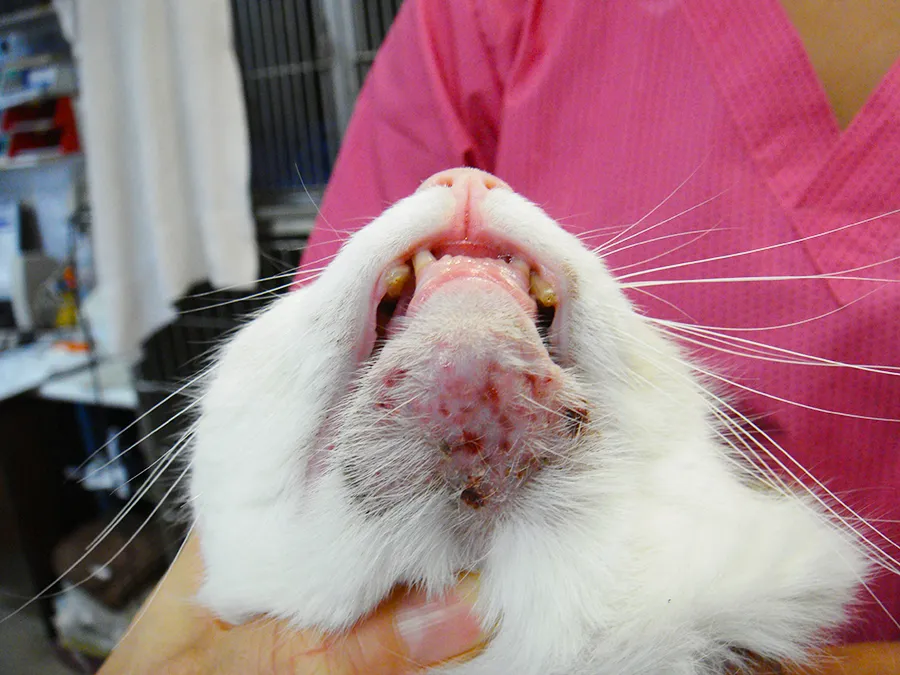
Skin Sensitivities: Their delicate coat may make them prone to rashes or sunburn.
Dental Health: Regular dental checkups are important to prevent periodontal disease.
Health Tips:
Schedule annual vet visits to catch early signs of genetic conditions.
Monitor skin and coat regularly for dryness, irritation, or excessive shedding.
Ensure indoor safety to prevent injury, as they love climbing and exploring.
Devon Rex Kitten Adoption Guide
If you’re considering adopting a Devon Rex, it’s important to understand their unique requirements and temperament. Devon Rex kittens are playful and social, so look for breeders or shelters that provide early socialization and a clean health record.
Tips for adoption:
Ask about genetic health testing of the parents.
Spend time interacting with kittens to assess their temperament.
Prepare your home with climbing spaces, toys, and cozy sleeping areas.
Real-Life Adoption Story: Emma, a first-time cat owner, adopted a Devon Rex kitten named Luna. Luna immediately bonded with her two other cats and began entertaining Emma with playful antics and affectionate nudges. The experience reinforced the importance of early socialization and structured play for this breed.
Living With a Devon Rex Cat
Devon Rex cats are more than just pets—they are companions that bring energy, humor, and affection into a home. Their curious personality means you’ll need to provide safe spaces for exploration, plenty of mental stimulation, and consistent interaction.
If you work long hours, consider adopting two kittens so they can keep each other entertained. Many owners report that having a second Devon Rex reduces separation anxiety and increases playful interactions.
Conclusion
The Devon Rex cat is truly a unique breed that offers a combination of beauty, intelligence, and unwavering affection. From their playful antics to their social, loyal nature, they are ideal companions for families, singles, or anyone looking for a lively feline friend. By understanding their care requirements, personality traits, and health considerations, you can ensure that your Devon Rex thrives and fills your home with joy.
Whether you’re drawn by their elf-like appearance or their engaging personality, the Devon Rex promises a lifetime of companionship, laughter, and love. For those willing to provide attention, care, and stimulation, this extraordinary breed will never fail to delight.
Join Felipe Clark on a heartwarming journey through the world of pet adoption. He’s a true advocate for shelter animals, sharing stories that tug at the heartstrings and inspire adoption.
If you’ve ever met a Maine Coon Tuxedo Cat, you already know they’re impossible to forget. These large, fluffy cats combine the gentle giant personality…
Cats are naturally curious, and as a responsible pet owner, you probably wonder whether certain human foods are safe for your feline companion. One common…