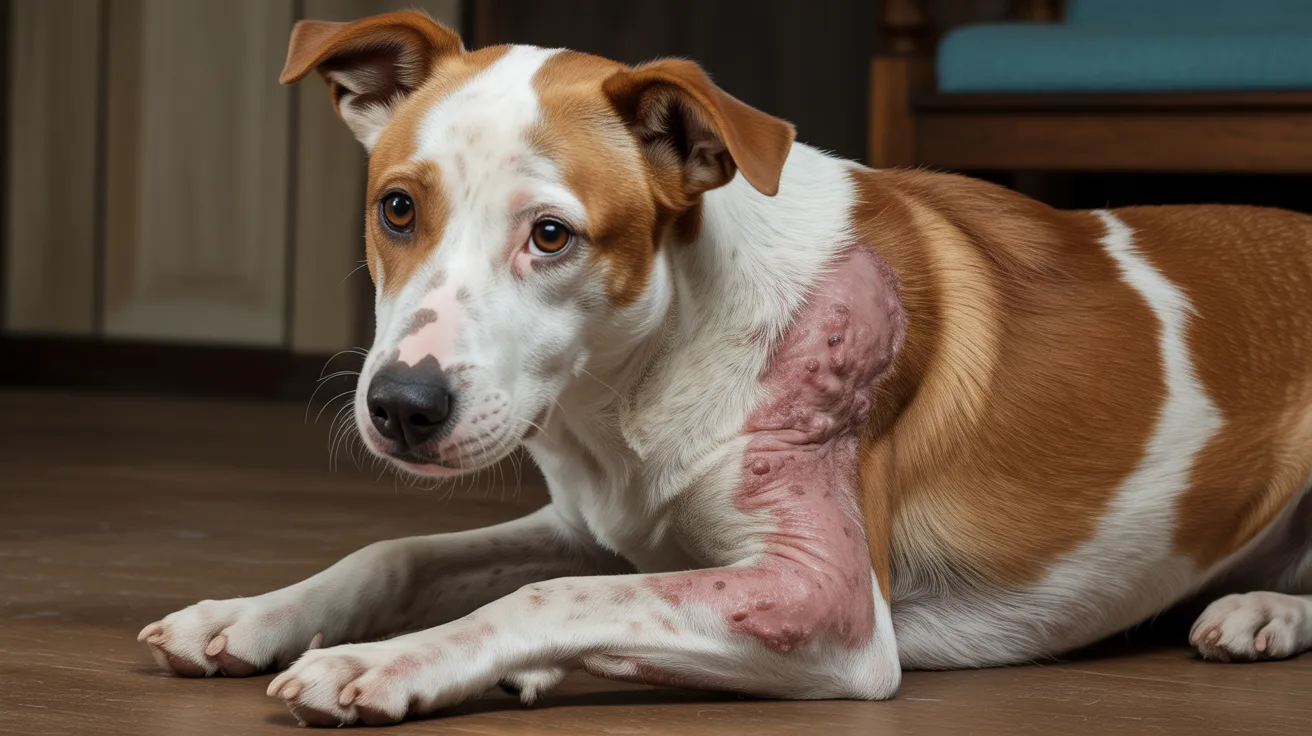
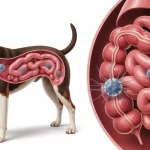
As a pet care writer who has worked closely with dog owners, I’ve seen how quickly mange in dogs can go from a mild irritation to a serious skin condition. The good thing is that when identified early, it is highly treatable and most dogs recover fully.
This guide will help you understand everything about this common dog skin disease, including symptoms, causes, treatment options, and prevention strategies — along with a real-life case study.
Content
What Is Mange In Dogs?
Mange in dogs is a skin condition caused by microscopic mites that live on or in a dog’s skin. These mites lead to irritation, inflammation, and hair loss, making it a type of mite infestation in dogs.
There are two main types of mange:
Sarcoptic mange in dogs (highly contagious)
Demodectic mange in dogs (linked to weak immunity)
Both fall under skin parasites in dogs, but they behave differently and require different treatment approaches.
Types of Mange
Sarcoptic Mange (Canine Scabies)
This type is caused by Sarcoptes scabiei mites and leads to intense itching and skin irritation. It is often referred to as dog scabies symptoms in veterinary terms.
Dogs suffering from sarcoptic mange usually experience severe discomfort, constant scratching, and rapid skin damage. It is also highly contagious and can spread to other dogs and sometimes humans.
Demodectic Mange
Demodectic mange is caused by Demodex mites, which naturally live on dogs. Problems occur when the immune system becomes weak and these mites multiply uncontrollably.
Unlike sarcoptic mange, this type usually causes patchy hair loss with mild itching in early stages. It is most common in puppies and dogs with weak immunity.
Understanding the difference between sarcoptic and demodectic mange in dogs is essential for correct treatment.
Early Signs of Mange You Should Not Ignore
Recognizing early symptoms can prevent the condition from worsening. Some early signs of mange in dogs you should not ignore include constant scratching, patchy hair loss, redness on the skin, and restlessness.
Many dog owners initially mistake these symptoms for allergies, which delays proper treatment and allows the mites to spread further.
Symptoms of Mange In Dogs
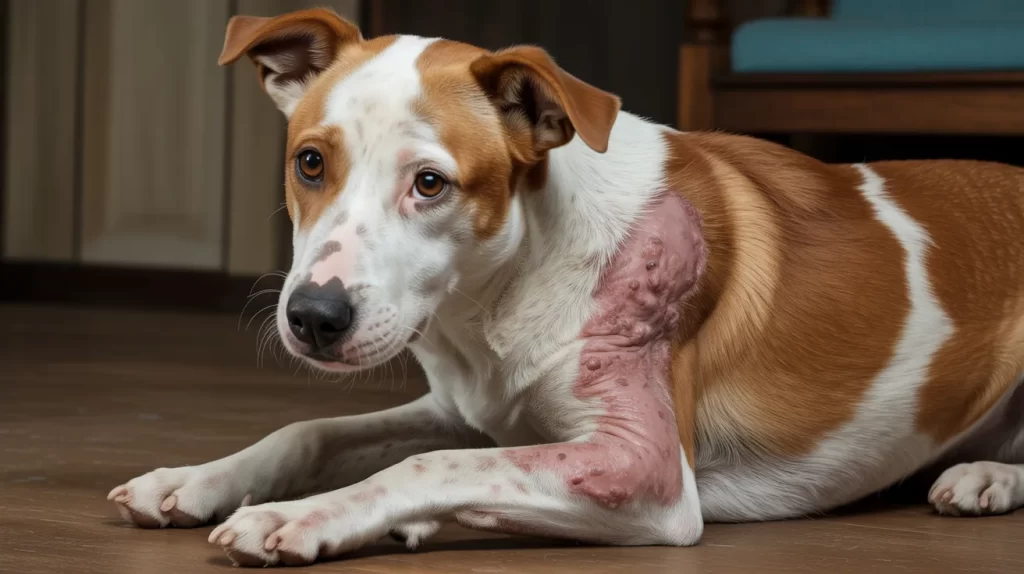
As mange progresses, symptoms become more noticeable and uncomfortable. Dogs often suffer from intense dog itching and hair loss, scaly skin, foul odor from infected areas, and visible skin lesions.
In severe cases, the skin may become thickened or crusty, and the dog may appear tired or stressed due to continuous irritation.
What Causes Mange In Dogs?
The primary cause of mange is exposure to mites, but several factors increase the risk. Weak immunity, poor hygiene, stress, or contact with infected animals can all contribute.
A common question owners ask is: what causes mange in dogs and how to treat it?
The answer is simple — mites cause the condition, but proper veterinary diagnosis is required to identify the type and start the right treatment plan.
One of the most common concerns is whether is mange in dogs contagious to humans or other pets.
Sarcoptic mange is highly contagious and can spread between dogs and even temporarily affect humans. Demodectic mange, however, is not considered contagious and usually stays limited to the affected dog.
Because of this difference, isolation and hygiene become very important during treatment.
How Veterinarians Diagnose Mange
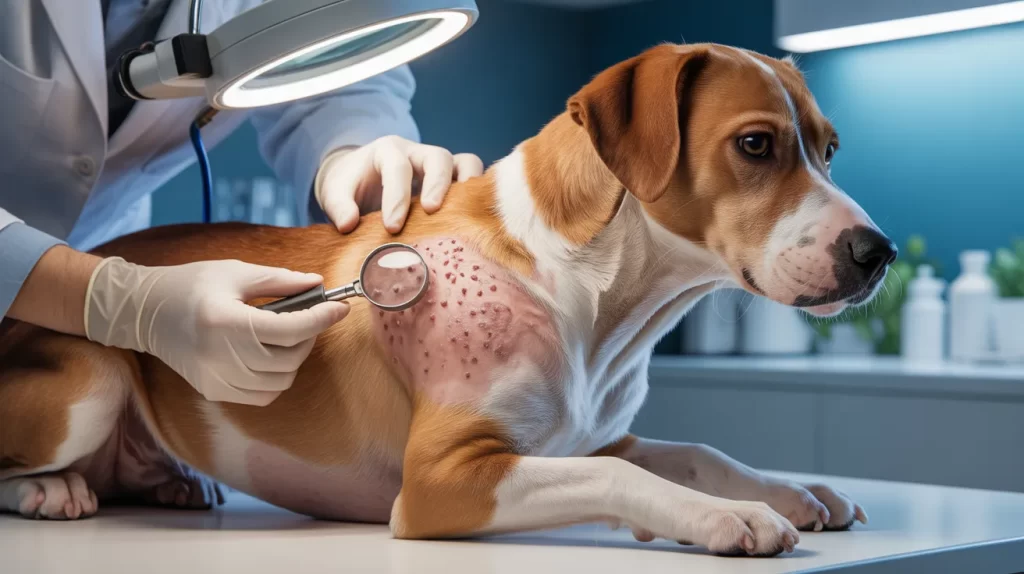
Veterinarians diagnose mange using skin scrapings, microscopic examination, and physical skin evaluation. These tests help confirm the presence of mites and rule out other skin conditions like allergies or bacterial infections.
Accurate diagnosis is essential because mange can easily be mistaken for other dog skin diseases.
Best Treatment Recommended by Vets
Treatment depends on the type and severity of mange. Most vets prescribe anti-parasitic medications along with medicated shampoos or topical treatments.
In severe cases, oral medications may be required for faster recovery. Many owners ask, how long does it take to treat mange in dogs? The recovery period usually ranges from a few weeks to several months depending on how early treatment begins.
Home Care and Supportive Remedies
While veterinary treatment is essential, supportive home care can help speed up recovery. Regular cleaning of bedding, maintaining hygiene, and feeding a nutrient-rich diet all help improve skin healing.
Some vet-approved medicated baths can also reduce itching and discomfort. However, home remedies alone are not enough for severe cases.
How To Prevent Mange In Dogs
Prevention focuses on maintaining good hygiene and strong immunity. Regular vet checkups, parasite prevention treatments, and avoiding contact with infected animals are key steps.
A healthy diet also plays a major role in strengthening the immune system and reducing the risk of recurrence.
Real-Life Case Study: Rocky’s Recovery From Mange
I once treated a Labrador named Rocky who was brought in with severe itching and patchy hair loss. His owner initially believed it was a food allergy, but skin tests confirmed sarcoptic mange in dogs.
Rocky had intense scratching, redness around his ears and legs, and visible skin crusting. He was immediately started on anti-mite medication along with medicated baths.
Within three weeks, his itching reduced significantly, and by the sixth week, new hair growth was visible. Full recovery took around two months, showing how effective early treatment can be when properly managed.
Final Thoughts
Mange in dogs is a serious but treatable condition when addressed early. Understanding the symptoms, causes, and treatment options can help dog owners take quick action and prevent complications.
With proper veterinary care and good hygiene practices, most dogs recover fully and return to a healthy, comfortable life.
Learn more about calming solutions like Melatonin For Dogs to help manage anxiety, stress, and sleep issues in pets safely and effectively.
FAQs
How to tell if your dog has mange?
Common signs include persistent scratching, hair loss, red or irritated skin, and crusty patches. A vet skin test is the only way to confirm mange accurately.
How do you get rid of mange on dogs?
Mange is treated with vet-prescribed anti-parasitic medications, medicated baths, and supportive skin care. Early diagnosis ensures faster and more effective recovery.
Can I touch my dog with mange?
Sarcoptic mange can spread to humans temporarily, so direct contact should be limited. Wear gloves and maintain hygiene until treatment starts and infection is controlled.
Can a dog recover from mange on its own?
No, mange usually does not go away without treatment. Veterinary care is necessary to eliminate mites and prevent the condition from worsening.
Join Felipe Clark on a heartwarming journey through the world of pet adoption. He’s a true advocate for shelter animals, sharing stories that tug at the heartstrings and inspire adoption.
While many people see their dogs as family members, not all think about dressing them up or keeping them stylish for different occasions. However, outfitting…
Golden Retrievers are beloved for their friendly demeanor, loyalty, and iconic golden coats. But in recent years, a curious question has sparked debate among dog…