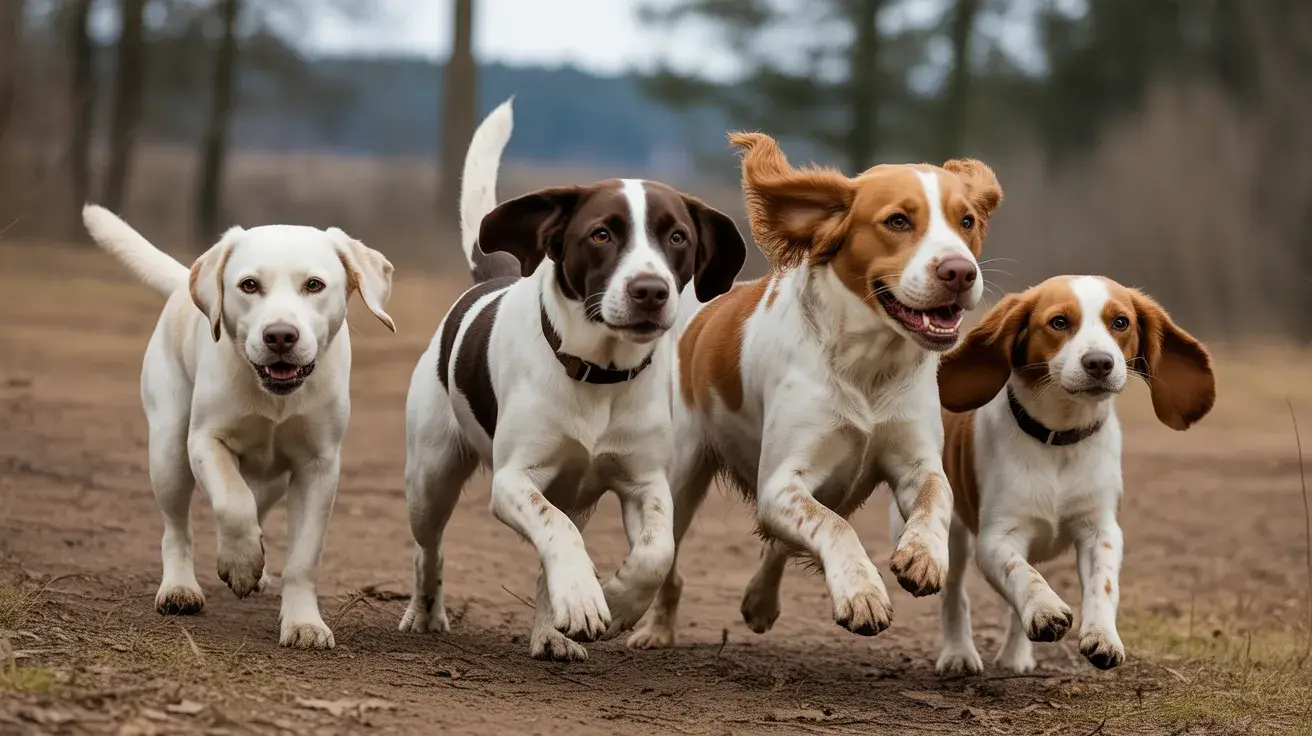
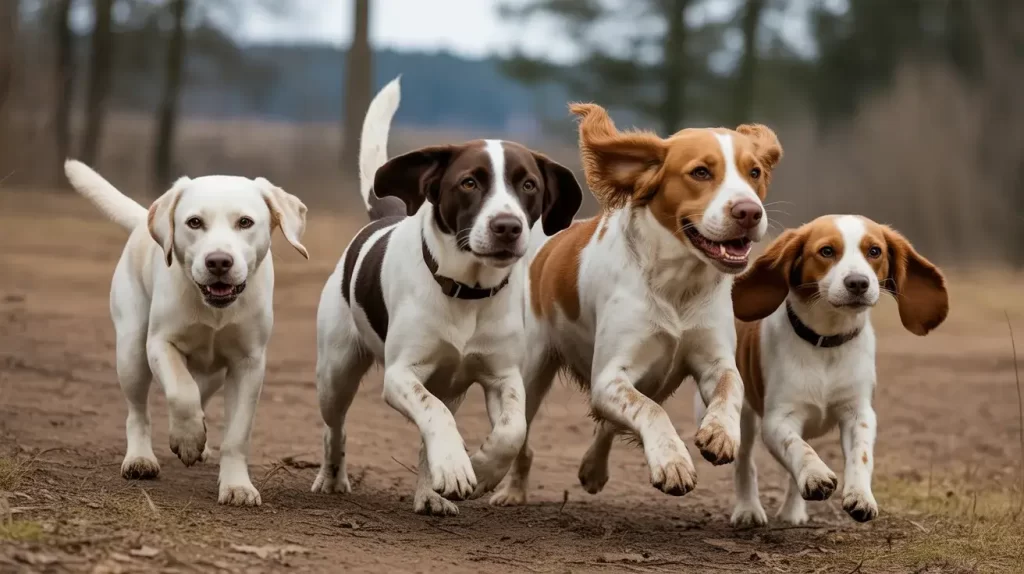
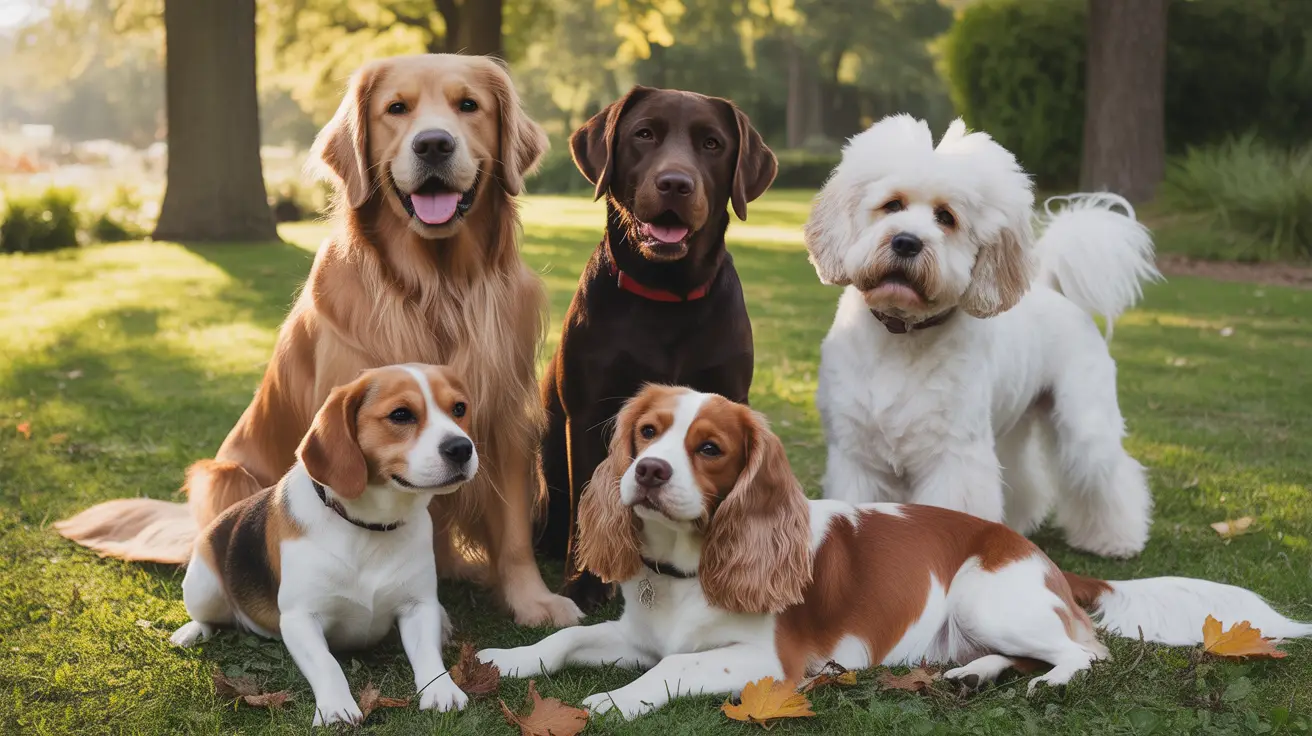
Hunting has been a part of human history for centuries, and having the right canine companion can make all the difference. Choosing the best hunting dogs isn’t just about picking a popular breed—it’s about understanding the unique skills, temperament, and instincts each dog brings to the field. Whether you’re a seasoned hunter or a beginner, selecting a hunting dog that matches your style and goals can elevate your hunting experience to a whole new level.
In this article, we’ll explore the traits of exceptional hunting dogs, the top breeds for different types of hunting, and how to train them effectively. We’ll also include a real-life case study of a hunter and their dog to provide practical insights.
Content
Main Types of Hunting Dogs
Hunting dogs are generally categorized based on their primary skills and the type of game they are bred to hunt. Knowing the different hunting dog breeds helps you pick one that aligns with your needs.
Retrievers
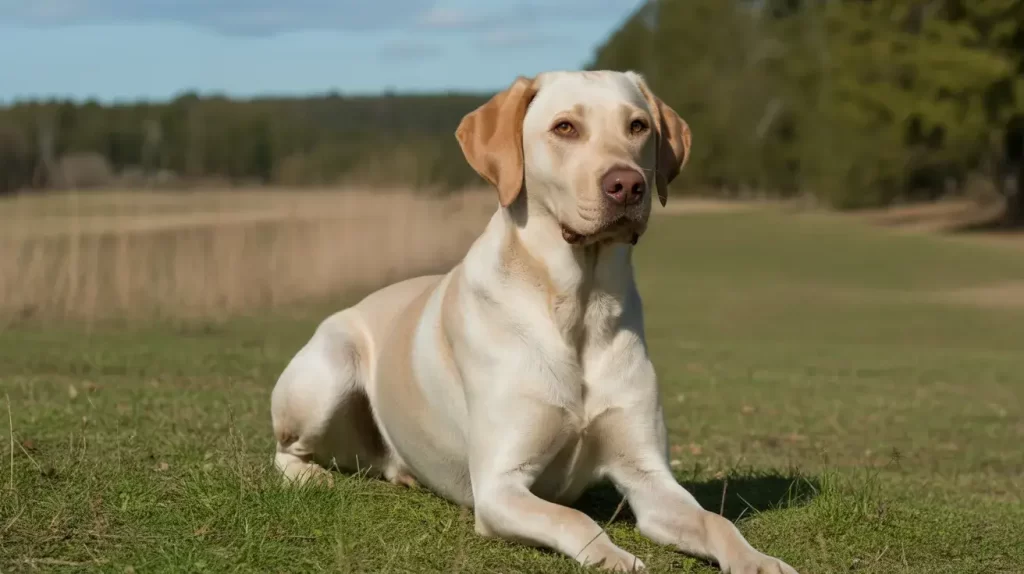
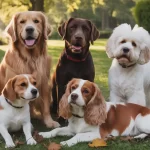
Retrievers, such as Labradors and Golden Retrievers, are excellent for waterfowl hunting. They have a gentle temperament, making them easy to train and perfect for beginners. Their soft mouths allow them to retrieve game without damaging it, which is essential in bird hunting.
Pointers
Pointers are known for their precise pointing ability, letting hunters know the exact location of game. They are energetic, highly focused, and excel in both upland bird hunting and field trials.
Spaniels
Spaniels, including the English Springer and Cocker Spaniel, are versatile flushing dogs. They actively search for game, drive birds into the open, and excel in areas with dense vegetation. Their enthusiasm and agility make them a favorite among hunters of small game.
Hounds
Hounds, such as Beagles and Bloodhounds, are remarkable trackers. With their keen noses and stamina, they are perfect for hunting rabbits, deer, and other small to medium-sized game. Hounds are independent thinkers, which means training requires patience but is ultimately rewarding.
Terriers
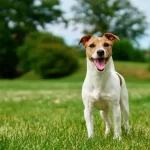
Terriers are specialized for hunting smaller prey like rodents or ground-dwelling animals. They are feisty, determined, and fearless despite their size. Their tenacity makes them ideal for hunters who need a dog capable of flushing or retrieving small game from difficult terrain.
What Makes a Dog Great for Hunting
When looking for the best hunting dogs, several traits set the champions apart. Understanding these hunting dog characteristics is key to finding a companion that not only performs well but also enjoys the activity.
Key Traits and Characteristics
Strong Scenting Ability: Dogs that can track scents efficiently are invaluable, especially for bird hunting and tracking wounded game.
High Stamina and Energy: Hunting often involves long hours in challenging terrain. Dogs with endurance thrive in these conditions.
Intelligence and Trainability: A trained hunting dog responds to commands reliably, making the hunt smoother and safer.
Obedience and Temperament: The best hunting dogs are calm yet alert, able to switch between active hunting and quiet focus as needed.
Temperament and Compatibility
Not all hunting dogs are suited for every type of hunter. Some breeds are highly social and work well with families, while others thrive when paired with experienced hunters in rugged environments. Considering the dog’s personality alongside your hunting style ensures a successful partnership.
Here’s a curated list of the best hunting dogs for bird hunting, small game, and large game, along with their key traits and use cases.
Labrador Retriever – Perfect for bird hunting and waterfowl, Labradors have high energy, intelligence, and a gentle temperament. Ideal for beginner hunters.
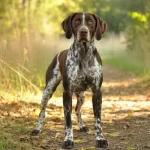
German Shorthaired Pointer – Versatile and energetic, this breed excels in both pointing and retrieving. A favorite for upland bird hunters.
English Springer Spaniel – Excellent flushing dog, known for agility and persistence in dense undergrowth.
Beagle – Small but mighty, Beagles are top-notch trackers for small game like rabbits.
Bloodhound – Famous for scent-tracking, great for following wounded game over long distances.
Golden Retriever – Gentle and reliable, superb for waterfowl retrieval and family-friendly hunting.
Brittany Spaniel – Agile, energetic, and skilled in pointing, ideal for both beginners and advanced hunters.
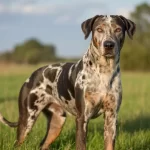
Coonhound – Specializes in raccoon hunting, strong tracking instincts, and excellent stamina.
Each breed comes with its own advantages and considerations, which is why understanding your hunting style and goals is crucial.
How to Choose the Right Hunting Dog for You
Selecting a hunting dog isn’t just about the breed—it’s about compatibility with your lifestyle and experience level.
Considering Your Hunting Style
Bird Hunting: Retrievers and pointers are ideal for their tracking and retrieving abilities.
Small Game Hunting: Hounds and terriers excel in scent tracking and flushing out prey.
Big Game Hunting: Larger, stronger breeds with endurance and obedience, like Bloodhounds or coonhounds, are recommended.
Experience Level and Training Commitment
A beginner hunter may prefer a breed known for trainability and gentle temperament, such as Labradors. Experienced hunters might opt for a more independent breed like a hound, which requires advanced handling and patience.
Training Tips for Hunting Dogs
Training is where your dog transforms from a pet into a skilled hunting companion. Here are essential tips for trained hunting dogs:
Basic Commands
Start with basic obedience commands like sit, stay, come, and heel. A solid foundation ensures your dog responds reliably in the field.
Scent and Tracking Training
Gradually introduce scent trails using game or scent-specific markers. Consistent practice improves accuracy and confidence. Pair this with rewards to reinforce positive behavior.
Real-Life Case Study
Consider James, an avid hunter from Montana, who recently trained his Labrador Retriever, Max, for waterfowl hunting. Initially, Max was enthusiastic but distracted. Through a combination of scent training, short field trials, and reward-based reinforcement, Max developed exceptional retrieving skills within six months. Today, James relies on Max not just for his hunting success but also for his companionship on early morning trips, illustrating how proper training enhances both performance and bond.
Final Thought: Best Bunting Dogs
Choosing the best hunting dogs is about matching the right breed to your hunting style, environment, and experience level. Whether it’s a Retriever, Pointer, Spaniel, Hound, or Terrier, each dog brings unique skills to the table. Investing time in proper training ensures a loyal and skilled hunting companion, making your hunting trips more successful and enjoyable.
Remember, the best hunting dog isn’t always the most popular breed—it’s the one that complements your skills, goals, and lifestyle.
“Learn more about the friendly and playful Golden Havanese and why they make a great companion for families and hunters alike.”
FAQs
What are the best hunting dogs for bird hunting?
Retrievers, Pointers, and Spaniels are top choices for bird hunting due to their excellent scenting and retrieving skills.
Which hunting dog breeds are easiest to train?
Labradors, Golden Retrievers, and Brittany Spaniels are highly trainable and respond well to consistent, reward-based training.
How long does it take to train a hunting dog?
Training varies by breed and experience, but most hunting dogs develop strong skills within 4–6 months of regular practice.
Can any dog become a skilled hunting dog?
While many breeds can learn hunting skills, success depends on traits like scenting ability, energy, and temperament.
Join Felipe Clark on a heartwarming journey through the world of pet adoption. He’s a true advocate for shelter animals, sharing stories that tug at the heartstrings and inspire adoption.
Finding the perfect pet accessory store that combines style, comfort, and quality can be a challenge for devoted pet parents. That’s where pup and purrs,…