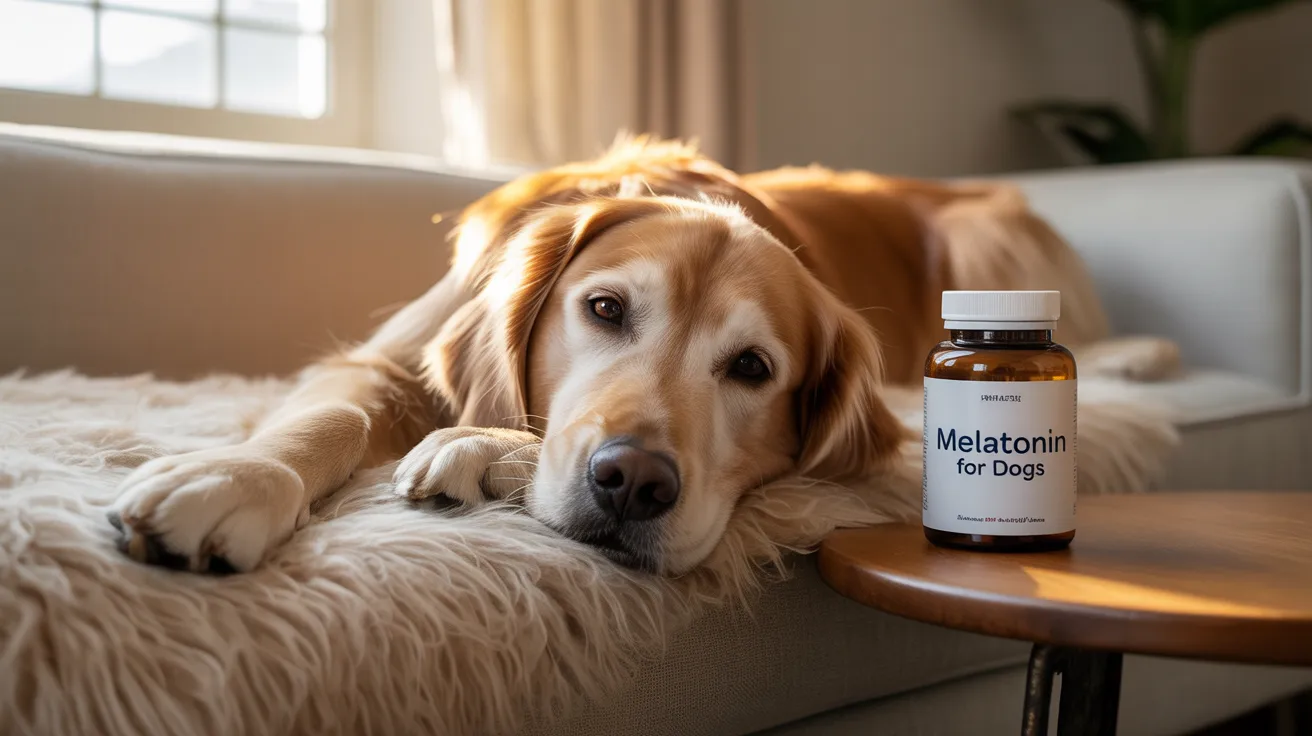
If your dog struggles with anxiety, restlessness at night, or stress during loud events like fireworks, you may have already searched for safe calming solutions. One of the commonly discussed options is Melatonin — often used as a natural calming aid for pets.
As a pet care writer, I’ve seen situations where Melatonin For Dogs can help in mild stress cases when used correctly. However, it’s equally important to understand that it is not a cure-all and works best in specific situations.
Content
What Is Melatonin For Dogs and How Does It Work?
Melatonin is a natural hormone that regulates sleep and wake cycles. When used as Melatonin For Dogs, it acts as a gentle support supplement rather than a strong sedative.
It helps the body maintain a balanced sleep rhythm and can support relaxation in dogs experiencing mild stress or irregular sleep patterns. Many veterinarians suggest Melatonin for pets that have difficulty settling at night or reacting strongly to environmental changes.
Melatonin For for Anxiety and Stress Relief
One of the most common reasons pet owners consider Melatonin For Dogs is anxiety caused by loud noises, travel, or separation from family members.
In mild cases, it may help reduce panic behavior and encourage calmness. However, Melatonin works best when combined with training, safe spaces, and consistent routines rather than being used alone.
Melatonin For Sleep Support
Melatonin is also helpful for dogs that struggle with irregular sleep cycles, especially senior pets.
It can support better nighttime rest by helping the body naturally transition into relaxation mode. While it doesn’t force sleep, it helps dogs settle more easily.
Melatonin For Noise Sensitivity
Dogs that are sensitive to fireworks or thunderstorms are another common case where Melatonin is used.
When given before expected noise events, it may reduce intensity of fear responses and help dogs remain calmer during stressful situations.
Melatonin Dosage Guidelines
The correct dosage of Melatonin depends on weight, age, and health condition.
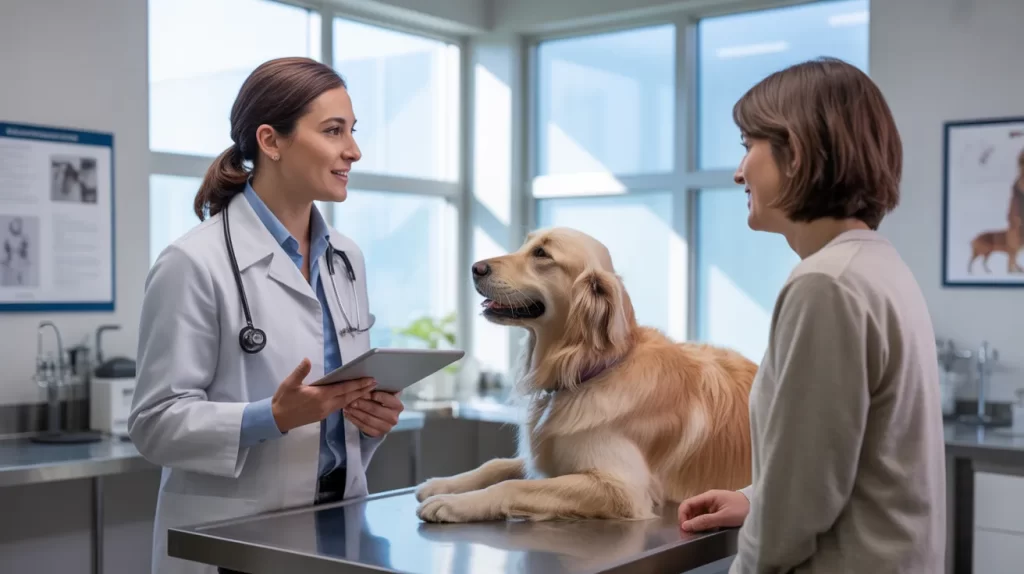
Smaller dogs require lower doses, while larger dogs may need more. Because of this variation, vets always recommend proper guidance before use.
Incorrect dosage of Melatonin may cause mild side effects like drowsiness or stomach upset, so professional advice is important.
Melatonin is available in tablets, chewables, and liquid forms. Chewables are often preferred due to ease of use.
It is typically given 30 to 60 minutes before stressful situations or bedtime so the body can respond naturally.
For occasional use, Melatonin is only given when needed rather than daily.
Is Melatonin For Dogs Safe?
In general, Melatonin is considered safe when used properly and under veterinary supervision.
However, product quality matters. Some human supplements may contain harmful ingredients like xylitol, which is toxic to dogs. That’s why pet-safe versions of Melatonin are strongly recommended.
Side effects are usually mild and temporary, such as slight drowsiness or digestive changes.
Drug Interactions and Precautions
Melatonin For Dogs may interact with sedatives, anti-anxiety medications, or hormonal treatments.
Because of this, it should never be combined with other drugs without veterinary approval. Dogs with underlying health conditions should be evaluated before using Melatonin.
When Melatonin Works Best
From real experience, Melatonin For Dogs works best for mild and situational anxiety.
Dogs dealing with temporary stress triggers like storms, travel, or new environments respond better compared to dogs with severe behavioral issues.
In such cases, Melatonin should be combined with behavior training for better results.
Real-Life Case Study: Max the Beagle
Max, a 4-year-old Beagle, suffered from severe anxiety during thunderstorms. He would bark, pace, and hide under furniture.
After veterinary consultation, his owner started using Melatonin For Dogs before storms along with behavior training and a safe space setup.
Within a few weeks, Melatonin For Dogs helped reduce Max’s panic during mild storms. He became calmer and more manageable, although severe storms still triggered anxiety.
This shows that Melatonin For Dogs is not a cure but a supportive tool.
Natural Alternatives to Melatonin For Dogs
If Melatonin For Dogs is not suitable, alternatives include calming chews, L-theanine supplements, anxiety wraps, and behavior training techniques.
These can be used alone or alongside Melatonin For Dogs depending on the dog’s needs.
Final Thoughts
Melatonin used as Melatonin For Dogs can be a helpful short-term support option for dogs dealing with mild anxiety, sleep issues, or situational stress. However, Melatonin For Dogs should always be used carefully and under veterinary guidance.
The most important takeaway is that Melatonin is not a permanent solution but a supportive tool. When combined with training, routine improvement, and professional advice, Melatonin For Dogs can significantly improve a dog’s comfort and emotional well-being.
If you’re interested in another popular breed, read our guide on the Mini Schnauzer to learn about its temperament, care needs, and health tips.
FAQs
How much melatonin can I give my dog?
Dosage depends on your dog’s weight and condition. Small dogs may need lower doses, while larger dogs require more. Always consult a vet before giving melatonin to avoid incorrect dosing or side effects.
Will human melatonin work on dogs?
Yes, but only if it is xylitol-free and contains no harmful additives. Some human melatonin products are unsafe for pets, so vet-approved or pet-specific formulas are strongly recommended.
Is melatonin safe for dogs with Cushing’s?
It may be used in some cases, but dogs with Cushing’s disease need extra caution. Hormonal conditions can affect response, so veterinary approval is essential before giving melatonin.
Is CBD or melatonin better for dogs?
CBD may help chronic anxiety, while melatonin is better for short-term stress or sleep issues. The best option depends on your dog’s condition and should be decided with veterinary guidance.
Join Felipe Clark on a heartwarming journey through the world of pet adoption. He’s a true advocate for shelter animals, sharing stories that tug at the heartstrings and inspire adoption.