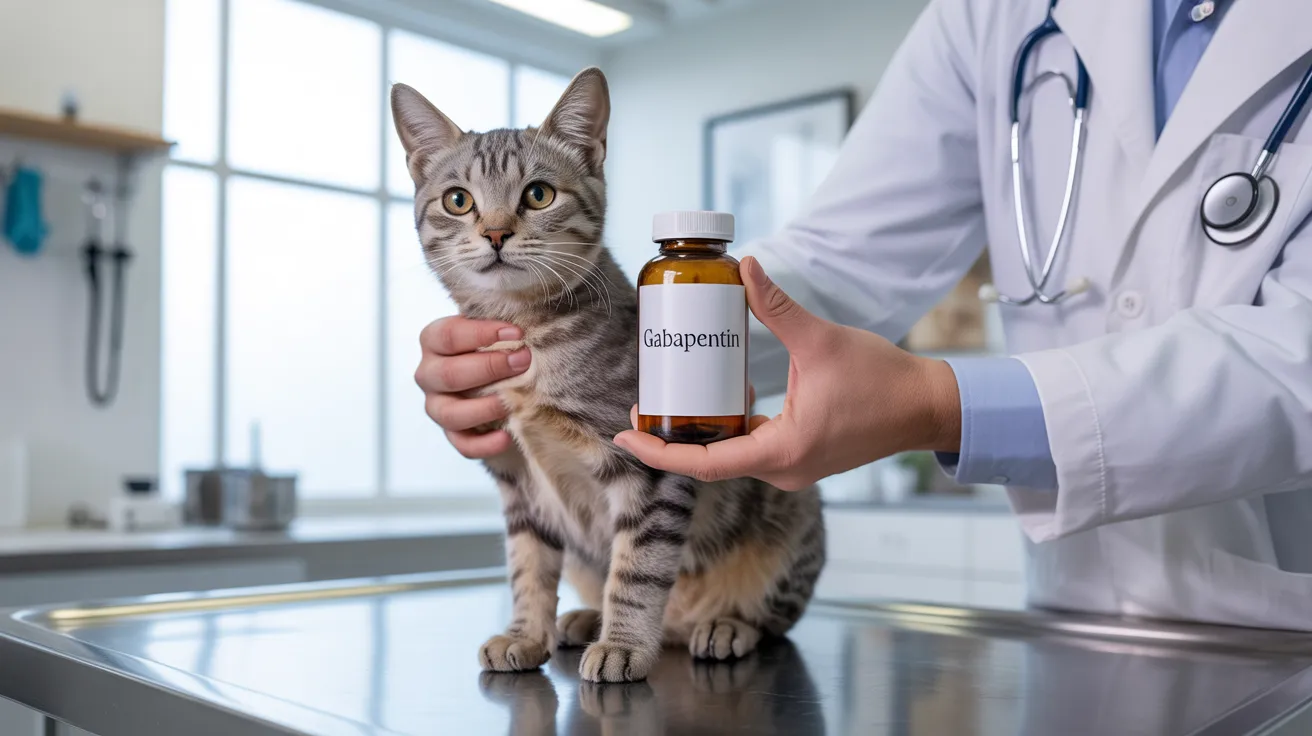
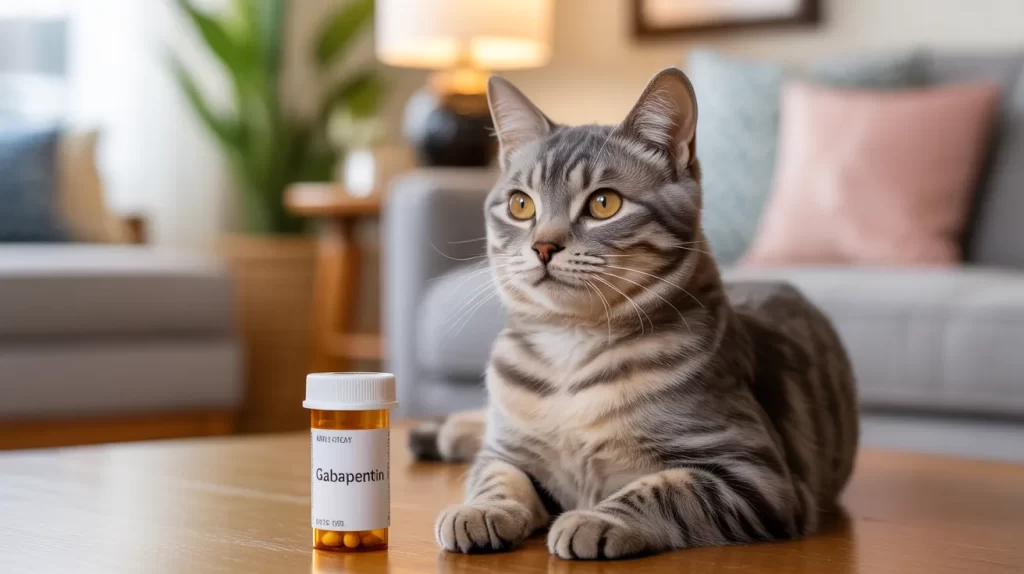
As a cat owner, you want nothing but the best for your furry friend. From keeping them happy and healthy to managing their occasional health challenges, it’s a journey filled with questions and choices. One medication that often comes up in discussions about feline health is Gabapentin for cats. It’s widely used by veterinarians to manage pain, anxiety, and even seizures, but if you’re new to it, understanding how to use it safely is crucial. In this guide, we’ll break down everything you need to know, including uses, dosage, side effects, and safety tips, along with a real-life case study to make it practical and relatable.
Content
Understanding Gabapentin in Cats
Gabapentin is a prescription medication originally developed for humans, primarily for nerve-related pain and seizures. Over time, veterinarians discovered its benefits in cats, particularly for pain management, stress reduction, and anxiety control.
How it works: Gabapentin interacts with the nervous system to reduce nerve pain and calm excessive neurological activity. In cats, it’s commonly used to help those with chronic pain conditions like arthritis, post-surgical recovery, or nerve injury.
Why it’s trusted: Unlike some medications that can be harsh on a cat’s liver or kidneys, gabapentin is relatively safe when administered correctly, making it a preferred option for many veterinarians.
Common Uses of Gabapentin For Cats
Understanding why gabapentin might be recommended for your cat can help you see its value. Here are the main applications:
1. Pain Management
Cats are masters at hiding pain, so sometimes owners are unaware that their feline companions are uncomfortable. Gabapentin is particularly effective for nerve pain and chronic conditions like arthritis. Veterinarians often prescribe it to make life more comfortable for older cats or those recovering from surgery.
2. Anxiety and Stress Reduction
Traveling to the vet or visiting unfamiliar environments can be incredibly stressful for cats. Gabapentin has a calming effect that can help reduce anxiety without causing sedation. For example, giving a cat gabapentin before a vet visit can make the experience less traumatic.
3. Seizure Control
While less common, gabapentin may be used as an adjunct therapy for cats experiencing seizures. It works alongside other medications to help control episodes and improve overall neurological stability.
Dosage Guidelines: How to Give Gabapentin to a Cat Safely
Administering gabapentin correctly is crucial for your cat’s safety. Dosage can vary based on your cat’s weight, age, and medical condition, so always follow your veterinarian’s instructions.
Typical Dosage Ranges:
Cats are usually given 5–10 mg per kg of body weight, once or twice daily.
Some veterinarians may adjust this for pain management vs anxiety control.
Tips for administration:
Gabapentin comes in capsules or liquid formulations. For cats who dislike pills, mixing the liquid form with food or using a pill pocket can help.
Always monitor your cat after the first dose for signs of drowsiness or uncoordinated movements.
Gabapentin is generally well-tolerated, but being informed about potential side effects is essential.
Common Side Effects:
Drowsiness
Mild uncoordination or wobbly walking
Gastrointestinal upset (rare)
Less Common or Serious Considerations:
Cats with kidney issues may need adjusted doses.
Combining gabapentin with other sedatives can intensify its effects.
Pro Tip: Always store gabapentin safely and never adjust doses without veterinary guidance. Regular monitoring ensures your cat remains safe and comfortable.
Real-Life Case Study: Gabapentin Helping an Anxious Cat
Meet Milo, a 7-year-old domestic shorthair who dreaded vet visits. His owner noticed him hiding and panting during car rides. After consulting the vet, Milo was prescribed gabapentin to reduce his stress.
Before gabapentin: Milo would hiss, hide under the seat, and sometimes vomit from anxiety.
After gabapentin: Milo remained calm during travel, allowed gentle handling, and even purred when the vet examined him.
This case highlights how gabapentin for cats anxiety management can improve both the cat’s wellbeing and the owner’s peace of mind.
Conclusion: Gabapentin For Cats
Gabapentin for cats is a versatile and effective tool in managing pain, anxiety, and certain neurological issues. By understanding its uses, following proper dosage guidelines, and being aware of potential side effects, you can help your cat live a more comfortable and stress-free life.
Remember, every cat is unique. Regular check-ups, open communication with your veterinarian, and careful observation at home are key to making gabapentin work safely for your feline friend. Whether you’re managing chronic pain, easing travel anxiety, or supporting a post-surgery recovery, gabapentin can make a tangible difference in your cat’s quality of life.
“To learn more about unique cat personalities and care tips, check out our guide on the Tabby Tortoiseshell Cat.”
Join Felipe Clark on a heartwarming journey through the world of pet adoption. He’s a true advocate for shelter animals, sharing stories that tug at the heartstrings and inspire adoption.
Cats are naturally curious, and as a responsible pet owner, you probably wonder whether certain human foods are safe for your feline companion. One common…